investor.creincomefund.com

How to Invest in Warehouses and Storage Spaces for Steady Returns

Invest in Warehouses

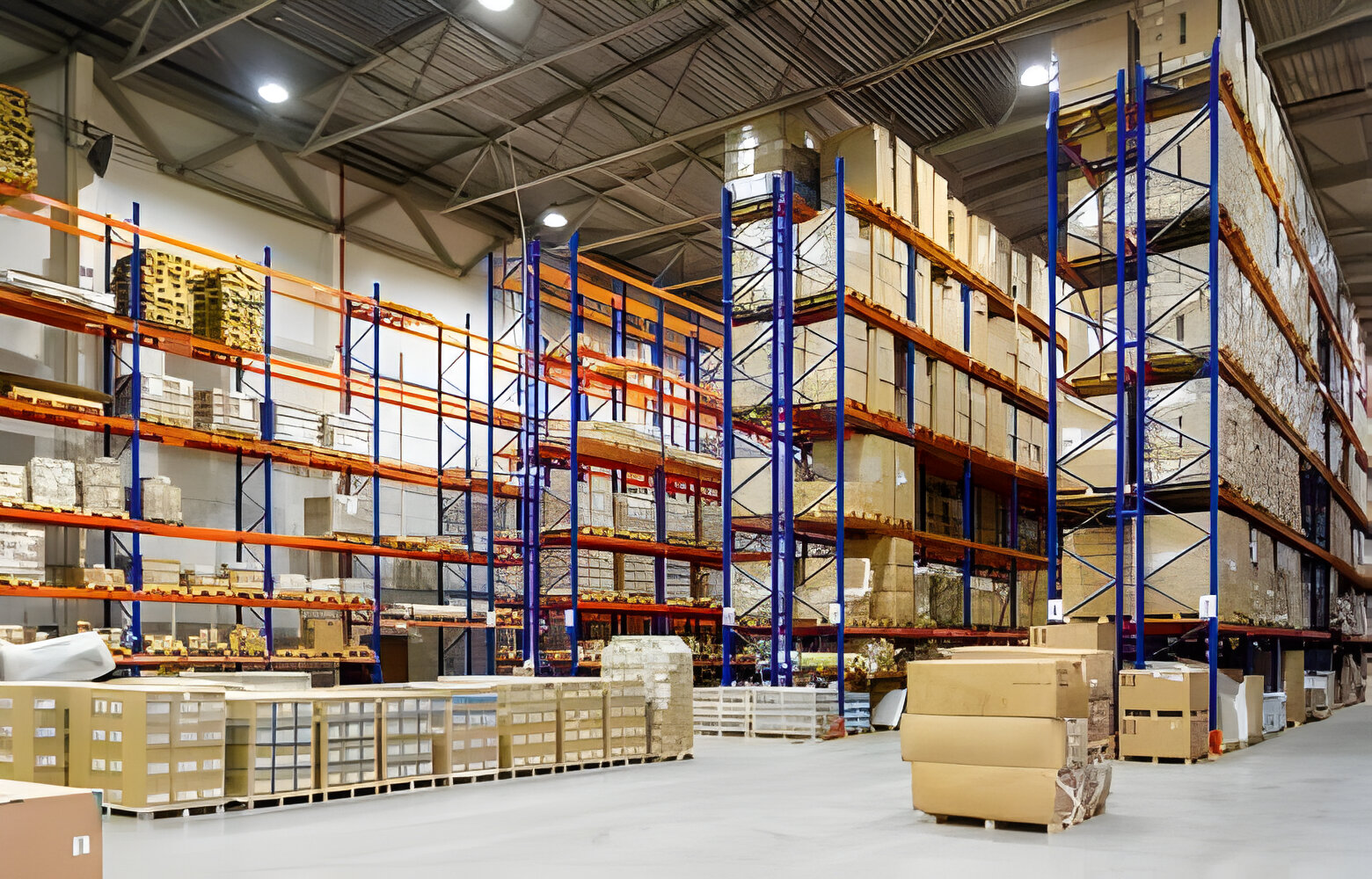
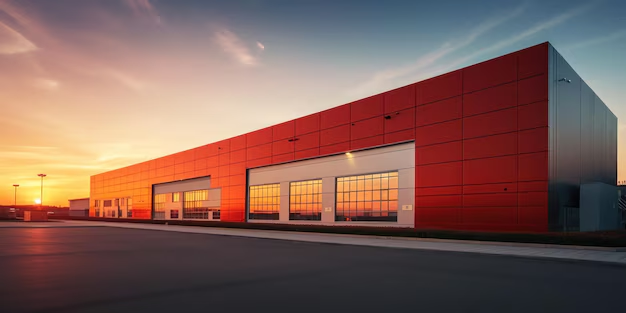
How to Invest in Warehouses and Storage Spaces for Steady Returns Investing in warehouses and storage spaces can be a lucrative opportunity, especially in today’s growing e-commerce landscape. This guide will explore the various methods of investing in warehouses, the benefits and challenges associated with such investments, and practical steps for getting started. Warehouse Investment A warehouse is a large building designed to store goods for various purposes, including stocking, packing, and shipping. There are several types of warehouses, including private warehouses, which are owned by companies for their own storage needs; public warehouses, which are operated as independent businesses offering storage space to multiple clients; bonded warehouses, used for storing imported goods until duties are paid; co-operative warehouses, owned and operated by a group of businesses; and distribution centers, which focus on the rapid movement of goods rather than long-term storage. Why Invest in Warehouses? Investing in warehouses offers several advantages. There is steady demand due to the rise of e-commerce, which has significantly increased the need for warehouse space, as companies like Amazon rely heavily on logistics and storage solutions. Warehouse tenants often sign leases lasting between 9 to 15 years, providing a reliable income stream. Additionally, building warehouses is generally cheaper and faster than constructing office buildings, allowing for quicker returns on investment. Warehouses can also be adapted for various uses, such as storage for excess inventory, vehicle storage, or even co-working spaces. How to Invest in Warehouses 1. Direct Ownership This method involves purchasing a warehouse and leasing it to businesses. Investors can earn rental income while benefiting from property appreciation over time. Key considerations include location, as proximity to transportation hubs and major markets enhances demand; zoning regulations, ensuring the property is zoned for the intended use, whether for storage, manufacturing, or commercial purposes; and market research to understand local market dynamics, including demand and rental rates. 2. Flipping Existing Properties Investors can buy underperforming retail spaces and convert them into warehouses. This strategy can be particularly effective if retail tenants are defaulting, allowing investors to repurpose the property for a more stable income source. 3. Real Estate Investment Trusts (REITs) For those who prefer a less hands-on approach, investing in REITs that focus on warehouse properties is an option. This allows individuals to invest in large-scale, income-producing real estate without the need for direct management. Challenges of Warehouse Investment While there are many benefits, potential investors should also be aware of the challenges. Market volatility can affect demand for warehouse space, leading to vacancies and reduced income during economic downturns. Maintenance costs are another consideration, as warehouses require ongoing maintenance and management, which can impact profitability. Additionally, the upfront costs for purchasing or converting a warehouse can be significant, ranging from $10,000 to over $100,000 depending on the intended use and necessary renovations. Practical Steps to Get Started To begin investing in warehouses, start by conducting market research to analyse local demand for warehouse space, rental rates, and competition. Evaluate financing options by exploring various methods, including traditional mortgages, private loans, or partnerships. Consulting with professionals such as real estate agents, lawyers, and financial advisors can help navigate the complexities of warehouse investment. It’s important to inspect potential properties thoroughly for their condition, location, and compliance with zoning laws. Developing a business plan that outlines your investment strategy, including target tenants, pricing structure, and marketing plans, is essential. Lastly, consider adding value through value-added services, such as logistics support, inventory management, or customised storage solutions, to attract more tenants. Conclusion Investing in warehouses and storage spaces can yield steady returns and capitalise on the growing demand for logistics solutions. By understanding the market, evaluating your investment options, and preparing for potential challenges, you can position yourself for success in this lucrative sector. Whether through direct ownership, property flipping, or REIT investments, the opportunities are abundant for those willing to navigate this dynamic field.


The Future of Warehousing Real Estate: Insights and Opportunities for Investors

Future of warehousing real estate

The Future of Warehousing Real Estate: Insights and Opportunities for Investors In an era defined by rapid technological advancements and shifting consumer behaviors, warehousing real estate has emerged as a dynamic and lucrative sector. The rise of e-commerce, coupled with evolving logistics and supply chain demands, has created unprecedented opportunities for investors in the United States. This blog delves into the future of warehousing real estate, offering key insights and identifying opportunities that savvy investors should not miss. The Evolving Landscape of Warehousing Real Estate The E-commerce Boom The e-commerce sector has experienced explosive growth, driving significant demand for warehousing space. Online shopping giants like Amazon, Walmart, and numerous smaller retailers require extensive warehousing facilities to manage their inventory and distribution efficiently. This trend shows no signs of slowing down, making warehousing real estate a promising investment. Technological Integration Technological advancements are transforming warehousing operations. Automation, robotics, and artificial intelligence (AI) are being integrated into warehouses to enhance efficiency, accuracy, and speed. Smart warehouses, equipped with Internet of Things (IoT) devices, allow for real-time monitoring and management of inventory. Investors should focus on properties that can accommodate these technological upgrades. Sustainability and Green Warehouses Sustainability is becoming a critical factor in real estate investments. Green warehouses, designed with energy-efficient systems and sustainable materials, are gaining popularity. These eco-friendly facilities not only reduce operating costs but also attract tenants committed to environmental responsibility. Investors should consider properties with green certifications and sustainable features. Urban Warehousing As urban areas continue to grow, the concept of urban warehousing is gaining traction. These facilities are strategically located within or near cities to facilitate quicker delivery times and meet the demands of urban consumers. Investing in urban warehousing can offer significant advantages, including higher rental rates and reduced transportation costs. Key Considerations for Investors Location The location of a warehouse is crucial. Proximity to major transportation hubs, such as highways, ports, and airports, enhances logistics efficiency and reduces costs. Urban proximity is also becoming increasingly important due to the rise of last-mile delivery services. Investors should prioritize locations that offer easy access to transportation networks and urban centers. Property Specifications When evaluating warehousing properties, several key specifications should be considered: Ceiling Height: Higher ceilings allow for vertical storage, maximizing space utilization. Loading Docks: Multiple loading docks facilitate smooth and efficient handling of goods. Floor Load Capacity: Ensure the flooring can support heavy machinery and goods. Parking Space: Adequate parking for trucks and employees is essential.   Lease Agreements and Tenant Quality Securing long-term leases with reputable tenants is vital for stable income. Conduct thorough background checks on potential tenants to ensure they have a solid credit history and a stable business model. Diversifying the tenant mix can also mitigate risks associated with tenant defaults. Financial Analysis Perform a comprehensive financial analysis before making an investment. Consider the initial cost, ongoing maintenance expenses, potential for property appreciation, and expected rental income. Warehousing properties often require significant upfront investment, but the long-term returns can be substantial. Risk Management Like any investment, warehousing real estate comes with risks. Market fluctuations, changes in logistics trends, and tenant defaults can impact returns. Diversifying your investment portfolio and implementing a solid risk management strategy can help mitigate these risks. Future Opportunities in Warehousing Real Estate Cold Storage Facilities The demand for cold storage facilities is on the rise, driven by the growth of online grocery shopping and the need for temperature-controlled environments. Investing in cold storage warehouses can offer lucrative returns, given the specialized nature and high demand for these facilities. Multi-Story Warehouses With land becoming scarce and expensive in urban areas, multi-story warehouses are emerging as a viable solution. These vertical warehouses maximize space utilization and are ideal for urban environments where horizontal expansion is limited. Investing in multi-story warehouses can provide a competitive edge in densely populated areas. Data-Driven Warehousing The integration of data analytics in warehousing operations is revolutionizing the industry. Data-driven warehouses use advanced analytics to optimize inventory management, forecast demand, and improve operational efficiency. Investors should look for properties that are equipped with or can be upgraded to support data-driven technologies. Last-Mile Delivery Hubs The rise of e-commerce has highlighted the importance of last-mile delivery. Warehouses located closer to consumers, known as last-mile delivery hubs, are essential for meeting the demand for quick and efficient delivery. Investing in these strategically located hubs can yield high returns as the demand for faster delivery services continues to grow. Best Practices for Investing in Warehousing Real Estate Conduct Thorough Market Research Understand the demand and supply dynamics in your target area. Analyze market trends, vacancy rates, rental rates, and future growth prospects. Comprehensive market research will help you make informed investment decisions. Perform Due Diligence Conduct detailed due diligence on the property, including inspections, financial audits, and legal checks. Ensure the property meets all regulatory requirements and is free from any legal disputes or encumbrances. Work with Experienced Professionals Collaborate with experienced real estate agents, property managers, and legal advisors. Their expertise can help you navigate the complexities of the investment process and maximize your returns. Leverage Technology Utilize modern technology for property management, logistics tracking, and tenant management. Implementing advanced technologies can enhance operational efficiency and attract tech-savvy tenants. Focus on Sustainability Incorporate sustainable and energy-efficient practices in your warehousing investments. Green warehouses not only reduce operating costs but also appeal to environmentally conscious tenants. Diversify Your Portfolio Diversify your investment portfolio to spread risks and enhance returns. Consider investing in different types of warehousing properties, such as cold storage facilities, multi-story warehouses, and last-mile delivery hubs. Ready to capitalize on the future of warehousing real estate? Contact us today to explore the best investment opportunities tailored to your needs. Don’t miss out on the chance to grow your portfolio with high-return assets in the booming warehousing sector. Conclusion Investing in warehousing real estate presents a unique opportunity to capitalize on the evolving logistics and supply chain landscape. With the right approach and strategic planning, investors can … Read more

Real Estate Income Funds: Your Gateway to Reliable Passive Income

Real Estate Income Funds, Invest in Commercial Real Estate Funds

Real Estate Income Funds: Your Gateway to Reliable Passive Income Real estate has long been regarded as a reliable investment avenue, particularly for those seeking consistent income streams. Among the various options available, Real Estate Income Funds stand out as a compelling choice for investors looking to harness the benefits of real estate without the complexities of direct property ownership. This blog will delve into the advantages of investing in CRE Real Estate Income Fund, highlighting its potential for diversification, predictable returns, and passive income generation. Understanding Real Estate Income Funds Real Estate Income Funds are pooled investment vehicles that focus on acquiring and managing income-producing properties. These funds allow investors to participate in the commercial real estate market without the need to directly manage properties. Instead, investors benefit from the expertise of a professional management team that handles property acquisitions, tenant management, and financial operations. Why Choose CRE Real Estate Income Fund? The CRE Commercial Real Estate Income Fund is specifically designed to provide current income and the potential for capital appreciation. Here are several reasons why this fund is an attractive option for accredited investors: Diversification: By investing in a diversified portfolio of commercial real estate assets, the CRE Income Fund reduces the risk associated with individual property investments. This diversification helps stabilize returns and minimizes the impact of market fluctuations. Predictable Returns: The fund targets annual returns of 12-14%, with a 10% dividend yield. This level of income is appealing for investors seeking reliable cash flow. Passive Investment: One of the key advantages of the CRE Income Fund is its passive nature. Investors receive monthly distributions from rental income generated by the properties within the fund, allowing them to benefit from real estate without the burdens of property management. Tax Advantages: The fund offers tax-advantaged distributions, which can help investors reduce their taxable income. A portion of the earnings may be taxed as long-term capital gains, providing additional tax efficiency. How CRE Income Fund Works The operational model of the CRE Income Fund is straightforward: Asset Acquisition: The fund purchases commercial properties across the United States, focusing on income-producing assets that are expected to generate above-market returns. Income Generation: As the fund becomes the owner of these properties, it collects monthly rent payments from tenants. Distribution to Investors: A portion of the rental income is distributed back to investors, creating a consistent income stream. Capital Appreciation: Over time, as property values increase, the fund has the opportunity to sell assets and realize capital gains, further enhancing investor returns. Benefits of Investing in Commercial Real Estate Investing in commercial real estate through funds like the CRE Income Fund offers several advantages: Tax Efficiency: Real estate investments often benefit from tax deductions related to property depreciation, which can significantly reduce taxable income. High Current Yield: With targeted returns of 12-14% per year, investors can enjoy a high yield compared to traditional fixed-income investments. Low Leverage: The fund maintains a conservative approach by borrowing no more than 60% of the asset’s valuation, which helps mitigate risk. Experienced Management: The management team of the CRE Income Fund brings over twenty years of experience in finance, ensuring informed decision-making and strategic asset management. Conclusion As investors seek reliable and passive income sources, Real Estate Income Funds like the CRE Income Fund present a compelling option. With their focus on diversification, predictable returns, and tax efficiency, these funds can play a vital role in an investor’s portfolio. By leveraging the expertise of seasoned management and the stability of commercial real estate, investors can enjoy the benefits of real estate without the associated headaches of direct property ownership. For those looking to enhance their income strategy, investing in the CRE Income Fund could be a significant step towards achieving financial security and peace of mind.

Investing in Warehousing Real Estate: Key Considerations and Best Practices

warehouse and storage space investments

Investing in Warehousing Real Estate: Key Considerations and Best Practices Introduction Warehousing real estate has become a lucrative investment sector, driven by the exponential growth of e-commerce and the increasing demand for efficient supply chain solutions. Investors are recognizing the potential of warehousing properties to deliver steady income streams and capital appreciation. However, investing in this asset class requires a deep understanding of market dynamics, property characteristics, and strategic management. This blog will delve into key considerations and best practices for investing in warehousing real estate, ensuring informed decision-making and maximized returns. Market Dynamics and Demand Drivers The E-commerce Boom E-commerce has transformed the retail landscape, creating a surge in demand for warehousing space. Companies like Amazon, Alibaba, and other online retailers require extensive warehouse networks to facilitate swift delivery services. This shift has increased the need for well-located, large-scale warehousing facilities. Supply Chain Optimization Businesses are increasingly focusing on optimizing their supply chains to reduce costs and improve efficiency. This trend has led to higher demand for strategically located warehouses that can serve as distribution hubs, cross-docking facilities, and last-mile delivery centers. Urbanization and Population Growth Urbanization and population growth contribute to the need for warehousing space near major cities. As urban populations expand, so does the demand for consumer goods, necessitating efficient warehousing solutions close to urban centers. Location Selection Proximity to Major Transport Hubs The success of a warehouse investment heavily relies on its location. Warehouses situated near major highways, ports, railways, and airports ensure efficient transportation and distribution of goods. Proximity to these transport hubs reduces transit times and costs, making the warehouse more attractive to potential tenants. Accessibility and Infrastructure Investors should consider the accessibility of the warehouse. Good road infrastructure and easy access for large vehicles are essential. Additionally, the availability of utilities such as electricity, water, and high-speed internet can significantly impact the warehouse’s functionality and desirability. Market Research and Local Demand Conducting thorough market research is crucial. Understanding local demand, industry trends, and economic indicators can help investors identify high-potential areas. Engaging with local real estate experts and studying demographic trends can provide valuable insights into emerging markets. Tenant Management and Retention Attracting Reliable Tenants A key factor in the success of a warehouse investment is attracting and retaining reliable tenants. Investors should market the property’s features, such as location, accessibility, and amenities, to potential tenants. Engaging with commercial real estate brokers and using online platforms can help reach a wider audience. Lease Structuring and Negotiation Effective lease structuring is crucial for securing favorable terms. Triple net leases (NNN), where tenants cover most operating expenses, are common in warehousing real estate. Negotiating lease terms that align with market standards while protecting the investor’s interests can enhance the property’s profitability. Tenant Retention Strategies Maintaining good relationships with tenants is essential for long-term success. Regular communication, addressing maintenance issues promptly, and providing value-added services can enhance tenant satisfaction. Offering lease renewal incentives or flexible lease terms can also help retain tenants and reduce vacancy rates. Legal and Regulatory Considerations Zoning and Land Use Regulations Understanding local zoning laws and land use regulations is critical before investing in warehousing real estate. These regulations dictate how the property can be used and may impact potential expansions or modifications. Investors should work with legal experts to ensure compliance with all relevant laws. Environmental Compliance Warehousing properties must comply with environmental regulations, especially if they handle hazardous materials. Ensuring the property meets all environmental standards can prevent costly fines and legal issues. Conducting environmental assessments and obtaining necessary permits is a prudent step. Insurance and Risk Management Adequate insurance coverage is essential to protect the investment from potential risks such as natural disasters, theft, or liability claims. Investors should work with insurance professionals to tailor policies that address the specific risks associated with warehousing properties. Technological Advancements and Innovations Automation and Robotics The integration of automation and robotics in warehousing operations can significantly enhance efficiency and reduce labor costs. Automated storage and retrieval systems, robotic picking, and sorting solutions are becoming increasingly popular. Investors should consider properties that can accommodate these technologies. Warehouse Management Systems (WMS) Investing in warehouses equipped with advanced Warehouse Management Systems (WMS) can improve operational efficiency. WMS software streamlines inventory management, order fulfillment, and tracking, providing tenants with valuable tools to optimize their operations. Sustainable and Green Building Practices Sustainability is gaining importance in the real estate sector. Warehouses with energy-efficient lighting, solar panels, and eco-friendly materials not only reduce operating costs but also appeal to environmentally conscious tenants. Green building certifications can enhance the property’s marketability. Property Specifications When investing in warehousing real estate, pay attention to the specifications of the property. Key features to consider include: Ceiling Height: Higher ceilings are preferred as they allow for more vertical storage. Loading Docks: Multiple loading docks facilitate better handling of goods. Floor Load Capacity: Ensure the flooring can handle heavy machinery and goods. Parking Space: Adequate parking for trucks and employees is essential. Lease Agreements and Tenants A significant aspect of warehousing real estate investment is the lease agreements and the quality of tenants. Long-term leases with reputable companies provide a stable income stream. Conduct thorough background checks on potential tenants to ensure they have a good credit history and a stable business model. Zoning and Environmental Regulations Before purchasing a warehousing property, ensure it complies with local zoning laws and environmental regulations. These regulations can vary significantly by location and can impact the usability of the property. Financial Considerations Evaluate the financial aspects of the investment, including the initial cost, ongoing maintenance expenses, and potential for appreciation. Warehousing properties often require significant upfront investment, but the long-term returns can be substantial. Risk Management Like any investment, warehousing real estate comes with risks. Market fluctuations, tenant defaults, and changes in logistics trends can impact returns. Diversifying your investment portfolio and having a solid risk management strategy can mitigate these risks. Conclusion Investing in warehousing real estate offers a compelling opportunity for investors seeking … Read more

How to Evaluate Warehouse Properties for Investment Success

Warehouse Properties

How to Evaluate Warehouse Properties for Investment Success Investing in warehouse properties can be a lucrative venture, especially as e-commerce continues to boom and businesses increasingly require storage solutions. However, not all warehouse properties are created equal, and evaluating them effectively is crucial for investment success. How to Evaluate Warehouse Properties for Investment Success 1. Location The location of a warehouse is paramount. Consider proximity to major highways, ports, and distribution centers. Warehouses located near these transport hubs typically offer better logistics and lower transportation costs for tenants, making them more attractive. Additionally, analyze the local real estate market trends, economic growth, and the availability of labor in the area. 2. Property Specifications Evaluate the physical attributes of the warehouse: Size and Layout:Ensure the size fits the needs of potential tenants. An adaptable layout can accommodate various tenant requirements. Ceiling Height: Higher ceilings are preferred as they allow for more vertical storage space. Loading Docks and Doors: Adequate loading docks and doors facilitate efficient loading and unloading of goods. Floor Load Capacity: Check if the floors can support heavy machinery and goods. 3. Condition and Age of the Building Inspect the condition of the building thoroughly. A newer building might have fewer immediate maintenance issues, but an older building in good condition can be just as valuable if it’s well-maintained. Look for potential structural issues, roof condition, and the state of the HVAC and electrical systems. 4. Flexibility and Future Growth A good warehouse property should offer flexibility for various types of tenants. The ability to modify the space for different uses or expand the facility is a significant advantage. This flexibility can also cater to future growth, both for your investment and for your tenants’ businesses. 5. Financial Considerations Conduct a thorough financial analysis: Purchase Price: Compare the price with similar properties in the area. Operating Expenses: Estimate the costs of utilities, maintenance, taxes, and insurance. Rental Income: Evaluate the potential rental income by examining current market rates. Return on Investment (ROI): Calculate the expected ROI to ensure the investment meets your financial goals. 6. Market Demand and Vacancy Rates Research the local market demand for warehouse space. High demand and low vacancy rates indicate a healthy market, which can lead to higher rental income and reduced downtime between tenants. Additionally, consider the types of industries prevalent in the area and their need for warehouse space. 7. Accessibility and Infrastructure Assess the accessibility of the warehouse: Road Quality: Ensure roads leading to the warehouse are in good condition and capable of handling heavy traffic. Public Transportation: Proximity to public transportation can be a plus for employees. Utilities and Services: Reliable access to utilities such as electricity, water, and internet is essential. 8. Legal and Zoning Considerations Check the zoning laws and land use regulations for the property. Ensure the warehouse complies with all local laws and is suitable for industrial use. Investigate any potential legal issues or restrictions that could impact your investment. 9.Financial Analysis and Projections Conduct a thorough financial analysis to determine the property’s potential for profitability. Consider factors such as rental income, operating expenses, and potential for appreciation. Use financial projections to estimate the property’s return on investment (ROI) and cash flow. 10.Diversification and Risk Management Diversifying your investment portfolio can help mitigate risk. Consider investing in a mix of warehouse properties in different locations and markets. Additionally, develop a risk management strategy to address potential challenges, such as tenant turnover or economic downturns. By considering these factors, investors can make informed decisions and increase their chances of success when investing in warehouse properties. Remember, investing in real estate requires patience, diligence, and a long-term perspective. Conclusion Evaluating warehouse properties for investment requires careful consideration of various factors including location, property specifications, building condition, flexibility, financial analysis, market demand, accessibility, and legal compliance. By thoroughly assessing these elements, you can make informed decisions that lead to successful and profitable warehouse investments. FAQs What is the typical lease term for warehouse properties?Warehouse leases typically range from 5 to 10 years, with longer terms providing more stability and predictable cash flow. How important is the location of a warehouse property?Location is crucial for warehouse properties, as proximity to transportation hubs, highways, and airports can significantly impact the property’s appeal and long-term value. What factors should I consider when evaluating the condition of a warehouse property?When evaluating the condition of a warehouse property, consider factors such as the age of the building, the condition of the roof, floors, and walls, as well as any necessary repairs or renovations. How can I assess the potential for appreciation in a warehouse property?To assess the potential for appreciation, consider factors such as the local market trends, population growth, and economic development in the area. Analyze historical data on property values and rental rates to identify potential growth opportunities. What is the importance of diversification when investing in warehouse properties?Diversifying your investment portfolio can help mitigate risk. Consider investing in a mix of warehouse properties in different locations and markets to reduce your exposure to any single property or market.