investor.creincomefund.com

Commercial Real Estate 2024 : Navigating the Ups and Downs

Commercial Real Estate 2024

Commercial Real Estate 2024 : Navigating the Ups and Downs The landscape of commercial real estate investing has undergone significant changes recently, influenced by economic shifts and evolving market dynamics. This blog explores the key statistics and trends shaping the commercial real estate sector in 2024, highlighting the challenges and opportunities for investors. Overview of Commercial Real Estate Investment Trends Declining Transaction Volumes In 2023, the total dollar volume of commercial real estate transactions dropped dramatically to $647 billion, a 47% decrease from the previous year’s $1.14 trillion. This decline is attributed to persistently high interest rates and a significant drop in office property values, which fell by 14% over the past year. The overall reduction in investment was felt across all sectors, with the office and hotel markets experiencing the most substantial declines. Sector Performance The downturn in commercial real estate investment varied by sector: Office Sector: Experienced a staggering decline of $146 billion in 2023 compared to 2022, with a current vacancy rate reaching record highs of 13.8%. Major tech hubs like San Francisco reported vacancy rates as high as 22.65%. Hotel Sector: Saw a decrease of $190 billion in investment, largely due to declining property values and lingering concerns about future pandemic impacts on travel and hospitality. Retail Sector: Investment in retail properties dropped by $44 billion, although the sector is showing signs of recovery as consumer habits shift back towards in-person shopping. Multifamily Properties: Despite a 32% decline in investment volume to $157 billion, multifamily properties have become increasingly popular, overtaking office investments as the largest share of commercial real estate investment since mid-2021. Changes in Property Values Commercial property values have decreased by 7% over the past year and are down 20% from their peak in 2022. The Green Street Commercial Property Price Index indicates that all sectors are affected, with office spaces experiencing the most significant depreciation. For instance, office properties are valued at only 71.2% of their 2007 prices, reflecting the ongoing struggles in this sector. Multifamily and Industrial Trends While multifamily investments have faced challenges, such as high vacancy rates at 7.8%, certain areas are still experiencing rent growth. Conversely, industrial real estate has shown resilience, with the highest rent growth of 4.7% in the past year, driven by demand for logistics and distribution spaces. Investment Strategies in Commercial Real Estate For those looking to enter the commercial real estate market, several strategies can be employed: Real Estate Investment Trusts (REITs): These companies allow investors to buy shares in portfolios of real estate assets, providing a relatively easy entry point into the market. REITs typically offer high dividends and can be diversified across various sectors. Real Estate Funds: Mutual funds or exchange-traded funds (ETFs) that invest in REITs can also be a viable option, focusing on growth rather than dividend payouts. Direct Property Investment: Purchasing residential or commercial properties for rental purposes or house flipping can yield significant returns, though it requires more capital and management expertise. Key Considerations for Investors Investors should keep several factors in mind when considering commercial real estate: Sector Diversity: Each sector of commercial real estate reacts differently to economic changes, making it crucial to understand the specific dynamics at play. Geographic Variability: Market conditions can vary significantly by location, necessitating thorough research into local supply and demand trends. Due Diligence: Comprehensive financial reviews and an understanding of zoning laws, construction trends, and market performance are essential before making any investment decisions. Conclusion The commercial real estate market in 2024 presents a complex landscape characterized by declining transaction volumes and shifting investment preferences. While challenges persist, particularly in the office and hotel sectors, opportunities remain in multifamily and industrial properties. By employing strategic investment approaches and conducting thorough market research, investors can navigate this evolving market effectively.


Industrial Real Estate Investments: Strategies for Higher Returns

Industrial Real Estate Investments

Industrial Real Estate Investments: Strategies for Higher Returns Maximizing returns through industrial commercial real estate investments involves strategic planning, market analysis, and effective management practices. This blog will explore various strategies to enhance your investment returns, focusing on the unique advantages of industrial real estate. Industrial Real Estate Investment Industrial real estate encompasses properties used for manufacturing, warehousing, distribution, and logistics. With the rise of e-commerce and global supply chains, the demand for industrial spaces has surged, making it a lucrative sector for investors. Industrial properties typically offer longer lease terms, stable cash flows, and lower maintenance costs compared to other commercial real estate types. Key Strategies to Maximize Returns 1. Conduct Comprehensive Market Research Understanding the market dynamics is crucial for making informed investment decisions. Analyse trends in the industrial sector, such as: Demand for E-commerce: The growth of online shopping has increased the need for distribution centres and warehouses. Geographical Trends: Identify regions with rising demand for industrial spaces, often near transportation hubs like highways and ports. Economic Indicators: Monitor economic conditions that may affect industrial activity, such as GDP growth and manufacturing output. 2. Select Prime Locations Location is a critical factor in industrial real estate investment. Properties situated in strategic locations with easy access to major transportation routes will attract tenants and command higher rental rates. Consider: Proximity to major highways and railroads Access to a skilled labor force Availability of utilities and infrastructure 3. Diversify Your Portfolio Diversification can mitigate risks associated with market fluctuations. Consider investing in different types of industrial properties, such as: Flex Spaces: Versatile properties that can accommodate various business needs. Cold Storage Facilities: Increasingly important due to the rise in demand for perishable goods. Manufacturing Plants: Long-term investments that can yield stable returns. 4. Enhance Property Value Investing in property upgrades can significantly increase its value and appeal to potential tenants. Strategies include: Modernising Facilities: Upgrading HVAC systems, lighting, and technology to improve energy efficiency. Expanding Space: Adding additional square footage or enhancing loading docks to accommodate larger tenants. 5. Implement Effective Property Management Professional property management can enhance tenant satisfaction and retention, leading to higher returns. Key management practices include: Regular Maintenance: Proactive maintenance schedules to prevent costly repairs. Tenant Relations: Building strong relationships with tenants to foster loyalty and reduce turnover. 6. Leverage Financing Options Utilising favourable financing can improve cash flow and increase ROI. Explore various financing strategies, such as: Low-Interest Loans: Shop around for the best rates to reduce overall costs. Refinancing: Consider refinancing options to lower interest rates and free up capital for further investments. 7. Utilise Tax Strategies Effective tax planning can enhance your overall returns. Consider strategies such as: Depreciation Deductions: Take advantage of depreciation to reduce taxable income. 1031 Exchanges: Use 1031 exchanges to defer capital gains taxes when reinvesting in similar properties. Read More – Maximize Your Monthly Cash Flow with a Mortgage Note Fund Conclusion Investing in industrial commercial real estate offers significant opportunities for maximising returns. By conducting thorough market research, selecting prime locations, diversifying your portfolio, enhancing property value, employing effective management practices, leveraging financing options, and utilizing tax strategies, investors can significantly improve their returns. As the demand for industrial spaces continues to grow, now is an opportune time to explore this dynamic sector. Ready to maximise your returns through industrial real estate investments? Contact our team of experts today to discuss how we can help you build a profitable portfolio. FAQs What are the key factors to consider when investing in industrial real estate? Some key factors include location, property type, tenant quality, and financing options. Conducting thorough market research and due diligence is crucial for making informed investment decisions. How can I diversify my industrial real estate portfolio? Diversification strategies include investing in different property types (e.g., warehouses, manufacturing plants, flex spaces), geographic regions, and tenant industries. This helps mitigate risks associated with market fluctuations. What are some effective property management strategies? Effective property management strategies include regular maintenance, tenant relations, and optimizing operational efficiency. Partnering with experienced property management professionals can enhance tenant satisfaction and retention. How can I leverage financing to improve returns? Exploring various financing options, such as low-interest loans, refinancing, and leveraging tax strategies (e.g., depreciation deductions, 1031 exchanges), can help improve cash flow and increase ROI. What are the tax benefits of investing in industrial real estate? Industrial real estate investments offer several tax benefits, including depreciation deductions and the ability to defer capital gains taxes through 1031 exchanges when reinvesting in similar properties.

How Commercial Property Investment Funds Can Secure Your Financial Future

Commercial Property Investment Funds

How Commercial Property Investment Funds Can Secure Your Financial Future Commercial property investment funds, such as Real Estate Investment Trusts (REITs) and fractional ownership platforms, offer an attractive avenue for investors looking to secure their financial future. These investment vehicles provide access to income-generating commercial properties while offering several benefits that can contribute to long-term financial stability and growth. Steady Rental Income One of the primary advantages of investing in commercial property funds is the potential for stable and consistent rental income. Commercial properties, such as office spaces, retail stores, and warehouses, typically have longer lease terms compared to residential properties. This ensures a steady stream of rental income, which can be particularly beneficial for investors seeking regular cash flow to supplement their income or fund their retirement. Potential for Capital Appreciation In addition to rental income, commercial properties have the potential for capital appreciation over time. As the economy grows and the demand for commercial spaces increases, the value of the properties in the fund’s portfolio may rise. This appreciation can translate into significant gains for investors when they decide to sell their shares or when the fund disposes of the properties. Diversification Benefits Investing in commercial property funds allows investors to diversify their portfolios beyond traditional asset classes like stocks and bonds. Real estate has historically exhibited low correlation with other asset classes, making it an effective tool for diversification. By allocating a portion of their investments to commercial property funds, investors can reduce overall portfolio risk and potentially enhance their risk-adjusted returns. Professional Management and Expertise Commercial property funds are managed by experienced professionals who have expertise in the commercial real estate market. These professionals handle tasks such as property selection, tenant management, and property maintenance, allowing investors to benefit from their knowledge and experience without the hassle of directly managing the properties themselves. Liquidity and Accessibility Investing in publicly traded REITs provides a level of liquidity that is often not available with direct real estate investments. REIT shares can be bought and sold on stock exchanges, making it easier for investors to access their funds when needed. This liquidity can be particularly valuable in times of unexpected financial needs or when an investor wants to rebalance their portfolio. Fractional ownership platforms have made commercial property investment more accessible to individual investors. These platforms allow investors to participate in higher-value properties by investing small amounts, making it possible for a wider range of investors to access the potential benefits of commercial real estate. Tax Benefits and Advantages Investing in commercial property funds can offer tax advantages. REITs, for example, are required to distribute at least 90% of their taxable income to shareholders as dividends. These dividends are often taxed at a lower rate than ordinary income, providing a tax-efficient way for investors to generate income from their investments. Conclusion Commercial property investment funds offer a compelling opportunity for investors looking to secure their financial future. By providing access to income-generating commercial properties, these funds have the potential to deliver steady rental income, capital appreciation, and diversification benefits. With professional management, liquidity, accessibility, and tax advantages, commercial property investment funds can be a valuable addition to any investor’s portfolio.

How do CRE Income Funds differ from other real estate investment funds

real estate investment funds

How do CRE Income Funds differ from other real estate investment funds CRE Income Funds are a specialised type of real estate investment vehicle that focuses on generating consistent income from commercial properties. These funds differ from other in several key ways, primarily related to their structure, investment focus, and income generation methods. Focus on Commercial Real Estate Assets One of the main distinctions is the CRE Income Fund’s exclusive focus on commercial real estate assets. Unlike some other real estate funds that may invest in a broader range of properties, including residential or mixed-use developments, CRE Income Funds target specific commercial assets such as warehouses, data centers, and distribution facilities. This targeted approach allows them to leverage the unique characteristics of commercial real estate, such as long-term leases and predictable cash flows, to deliver stable annual yields to investors. Income Generation Strategies Another key difference lies in the income generation strategies employed by CRE Income Funds. While some real estate investment funds may prioritize capital appreciation over immediate income generation, CRE Income Funds are designed to provide stable and consistent yields, often around 10% annually. This focus on income is made possible by the long-term leases associated with commercial properties, which can provide a more predictable stream of cash flow compared to other real estate investment options. Liquidity and Accessibility In terms of liquidity and accessibility, CRE Income Funds often have higher minimum investment requirements and are structured for accredited investors. For example, the CRE Income Fund has a minimum investment of $10,000, which can be higher than some other real estate investment options that cater to a broader audience with lower buy-ins. Additionally, while CRE Income Funds can provide passive income, other types of real estate funds, such as REITs, are traded on public exchanges, offering greater liquidity. Risk and Return Profile The risk and return profile of CRE Income Funds also sets them apart from other real estate investment funds. These funds tend to have lower correlation with public equity markets compared to publicly traded REITs, which means they may provide a hedge against market volatility. Private-market CRE investments can also carry an illiquidity premium, rewarding investors for assuming liquidity risk, which is less common in publicly traded real estate funds. Professional Management Finally, CRE Income Funds typically involve professional management, allowing investors to benefit from expert asset management without the need to actively manage properties themselves. This is similar to other private real estate funds, but differs from direct property ownership where investors must handle management tasks. Conclusion In conclusion, CRE Income Funds offer a unique and specialized approach to real estate investing, providing investors with the opportunity to generate consistent income from commercial properties while benefiting from professional management and a distinct risk-return profile. This makes them an attractive option for those looking to diversify their investment portfolios with a focus on reliable income streams.

How to Invest in Warehouses and Storage Spaces for Steady Returns

Invest in Warehouses

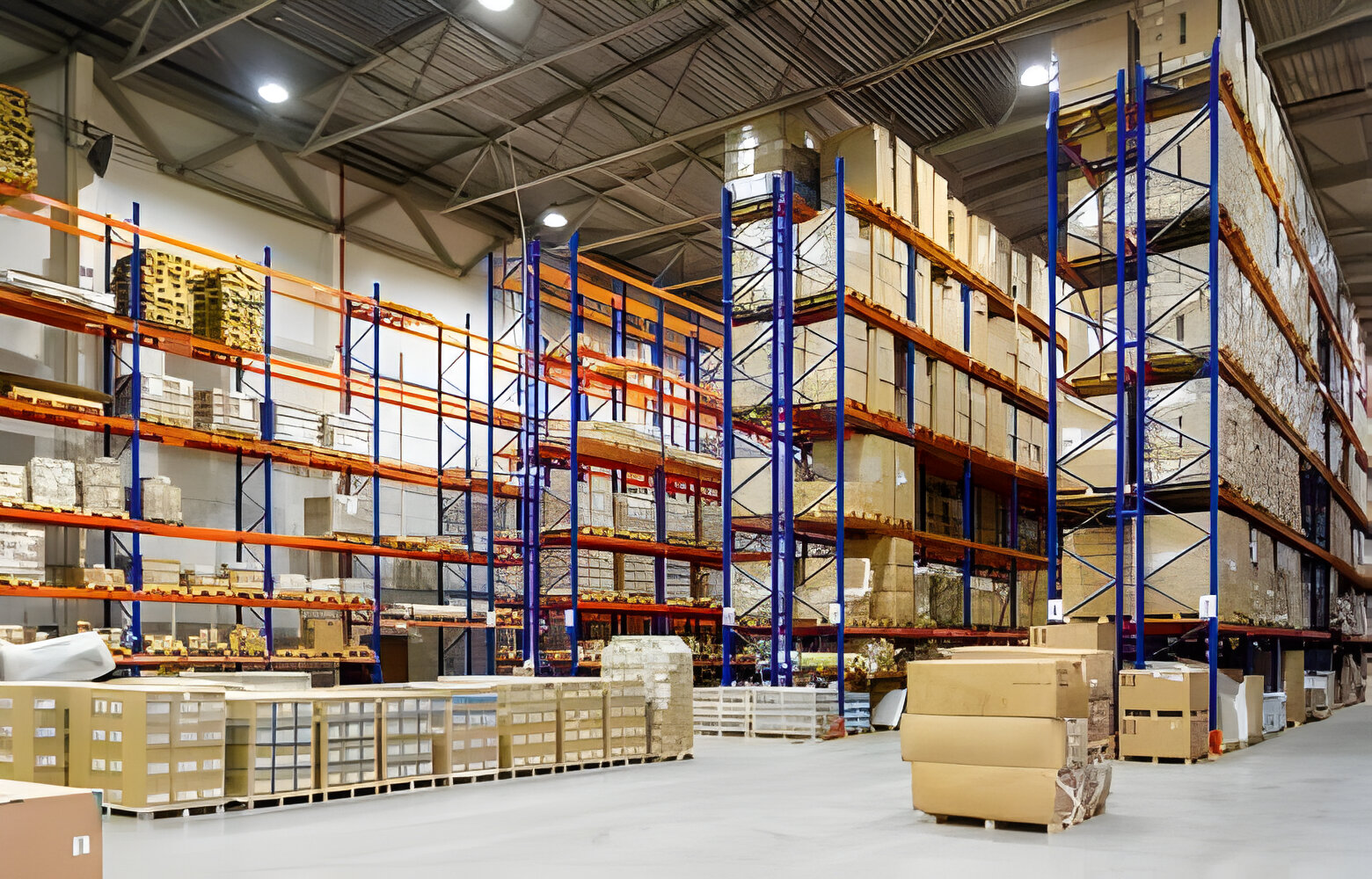
How to Invest in Warehouses and Storage Spaces for Steady Returns Investing in warehouses and storage spaces can be a lucrative opportunity, especially in today’s growing e-commerce landscape. This guide will explore the various methods of investing in warehouses, the benefits and challenges associated with such investments, and practical steps for getting started. Warehouse Investment A warehouse is a large building designed to store goods for various purposes, including stocking, packing, and shipping. There are several types of warehouses, including private warehouses, which are owned by companies for their own storage needs; public warehouses, which are operated as independent businesses offering storage space to multiple clients; bonded warehouses, used for storing imported goods until duties are paid; co-operative warehouses, owned and operated by a group of businesses; and distribution centers, which focus on the rapid movement of goods rather than long-term storage. Why Invest in Warehouses? Investing in warehouses offers several advantages. There is steady demand due to the rise of e-commerce, which has significantly increased the need for warehouse space, as companies like Amazon rely heavily on logistics and storage solutions. Warehouse tenants often sign leases lasting between 9 to 15 years, providing a reliable income stream. Additionally, building warehouses is generally cheaper and faster than constructing office buildings, allowing for quicker returns on investment. Warehouses can also be adapted for various uses, such as storage for excess inventory, vehicle storage, or even co-working spaces. How to Invest in Warehouses 1. Direct Ownership This method involves purchasing a warehouse and leasing it to businesses. Investors can earn rental income while benefiting from property appreciation over time. Key considerations include location, as proximity to transportation hubs and major markets enhances demand; zoning regulations, ensuring the property is zoned for the intended use, whether for storage, manufacturing, or commercial purposes; and market research to understand local market dynamics, including demand and rental rates. 2. Flipping Existing Properties Investors can buy underperforming retail spaces and convert them into warehouses. This strategy can be particularly effective if retail tenants are defaulting, allowing investors to repurpose the property for a more stable income source. 3. Real Estate Investment Trusts (REITs) For those who prefer a less hands-on approach, investing in REITs that focus on warehouse properties is an option. This allows individuals to invest in large-scale, income-producing real estate without the need for direct management. Challenges of Warehouse Investment While there are many benefits, potential investors should also be aware of the challenges. Market volatility can affect demand for warehouse space, leading to vacancies and reduced income during economic downturns. Maintenance costs are another consideration, as warehouses require ongoing maintenance and management, which can impact profitability. Additionally, the upfront costs for purchasing or converting a warehouse can be significant, ranging from $10,000 to over $100,000 depending on the intended use and necessary renovations. Practical Steps to Get Started To begin investing in warehouses, start by conducting market research to analyse local demand for warehouse space, rental rates, and competition. Evaluate financing options by exploring various methods, including traditional mortgages, private loans, or partnerships. Consulting with professionals such as real estate agents, lawyers, and financial advisors can help navigate the complexities of warehouse investment. It’s important to inspect potential properties thoroughly for their condition, location, and compliance with zoning laws. Developing a business plan that outlines your investment strategy, including target tenants, pricing structure, and marketing plans, is essential. Lastly, consider adding value through value-added services, such as logistics support, inventory management, or customised storage solutions, to attract more tenants. Conclusion Investing in warehouses and storage spaces can yield steady returns and capitalise on the growing demand for logistics solutions. By understanding the market, evaluating your investment options, and preparing for potential challenges, you can position yourself for success in this lucrative sector. Whether through direct ownership, property flipping, or REIT investments, the opportunities are abundant for those willing to navigate this dynamic field.

The Future of Warehousing Real Estate: Insights and Opportunities for Investors

Future of warehousing real estate

The Future of Warehousing Real Estate: Insights and Opportunities for Investors In an era defined by rapid technological advancements and shifting consumer behaviors, warehousing real estate has emerged as a dynamic and lucrative sector. The rise of e-commerce, coupled with evolving logistics and supply chain demands, has created unprecedented opportunities for investors in the United States. This blog delves into the future of warehousing real estate, offering key insights and identifying opportunities that savvy investors should not miss. The Evolving Landscape of Warehousing Real Estate The E-commerce Boom The e-commerce sector has experienced explosive growth, driving significant demand for warehousing space. Online shopping giants like Amazon, Walmart, and numerous smaller retailers require extensive warehousing facilities to manage their inventory and distribution efficiently. This trend shows no signs of slowing down, making warehousing real estate a promising investment. Technological Integration Technological advancements are transforming warehousing operations. Automation, robotics, and artificial intelligence (AI) are being integrated into warehouses to enhance efficiency, accuracy, and speed. Smart warehouses, equipped with Internet of Things (IoT) devices, allow for real-time monitoring and management of inventory. Investors should focus on properties that can accommodate these technological upgrades. Sustainability and Green Warehouses Sustainability is becoming a critical factor in real estate investments. Green warehouses, designed with energy-efficient systems and sustainable materials, are gaining popularity. These eco-friendly facilities not only reduce operating costs but also attract tenants committed to environmental responsibility. Investors should consider properties with green certifications and sustainable features. Urban Warehousing As urban areas continue to grow, the concept of urban warehousing is gaining traction. These facilities are strategically located within or near cities to facilitate quicker delivery times and meet the demands of urban consumers. Investing in urban warehousing can offer significant advantages, including higher rental rates and reduced transportation costs. Key Considerations for Investors Location The location of a warehouse is crucial. Proximity to major transportation hubs, such as highways, ports, and airports, enhances logistics efficiency and reduces costs. Urban proximity is also becoming increasingly important due to the rise of last-mile delivery services. Investors should prioritize locations that offer easy access to transportation networks and urban centers. Property Specifications When evaluating warehousing properties, several key specifications should be considered: Ceiling Height: Higher ceilings allow for vertical storage, maximizing space utilization. Loading Docks: Multiple loading docks facilitate smooth and efficient handling of goods. Floor Load Capacity: Ensure the flooring can support heavy machinery and goods. Parking Space: Adequate parking for trucks and employees is essential.   Lease Agreements and Tenant Quality Securing long-term leases with reputable tenants is vital for stable income. Conduct thorough background checks on potential tenants to ensure they have a solid credit history and a stable business model. Diversifying the tenant mix can also mitigate risks associated with tenant defaults. Financial Analysis Perform a comprehensive financial analysis before making an investment. Consider the initial cost, ongoing maintenance expenses, potential for property appreciation, and expected rental income. Warehousing properties often require significant upfront investment, but the long-term returns can be substantial. Risk Management Like any investment, warehousing real estate comes with risks. Market fluctuations, changes in logistics trends, and tenant defaults can impact returns. Diversifying your investment portfolio and implementing a solid risk management strategy can help mitigate these risks. Future Opportunities in Warehousing Real Estate Cold Storage Facilities The demand for cold storage facilities is on the rise, driven by the growth of online grocery shopping and the need for temperature-controlled environments. Investing in cold storage warehouses can offer lucrative returns, given the specialized nature and high demand for these facilities. Multi-Story Warehouses With land becoming scarce and expensive in urban areas, multi-story warehouses are emerging as a viable solution. These vertical warehouses maximize space utilization and are ideal for urban environments where horizontal expansion is limited. Investing in multi-story warehouses can provide a competitive edge in densely populated areas. Data-Driven Warehousing The integration of data analytics in warehousing operations is revolutionizing the industry. Data-driven warehouses use advanced analytics to optimize inventory management, forecast demand, and improve operational efficiency. Investors should look for properties that are equipped with or can be upgraded to support data-driven technologies. Last-Mile Delivery Hubs The rise of e-commerce has highlighted the importance of last-mile delivery. Warehouses located closer to consumers, known as last-mile delivery hubs, are essential for meeting the demand for quick and efficient delivery. Investing in these strategically located hubs can yield high returns as the demand for faster delivery services continues to grow. Best Practices for Investing in Warehousing Real Estate Conduct Thorough Market Research Understand the demand and supply dynamics in your target area. Analyze market trends, vacancy rates, rental rates, and future growth prospects. Comprehensive market research will help you make informed investment decisions. Perform Due Diligence Conduct detailed due diligence on the property, including inspections, financial audits, and legal checks. Ensure the property meets all regulatory requirements and is free from any legal disputes or encumbrances. Work with Experienced Professionals Collaborate with experienced real estate agents, property managers, and legal advisors. Their expertise can help you navigate the complexities of the investment process and maximize your returns. Leverage Technology Utilize modern technology for property management, logistics tracking, and tenant management. Implementing advanced technologies can enhance operational efficiency and attract tech-savvy tenants. Focus on Sustainability Incorporate sustainable and energy-efficient practices in your warehousing investments. Green warehouses not only reduce operating costs but also appeal to environmentally conscious tenants. Diversify Your Portfolio Diversify your investment portfolio to spread risks and enhance returns. Consider investing in different types of warehousing properties, such as cold storage facilities, multi-story warehouses, and last-mile delivery hubs. Ready to capitalize on the future of warehousing real estate? Contact us today to explore the best investment opportunities tailored to your needs. Don’t miss out on the chance to grow your portfolio with high-return assets in the booming warehousing sector. Conclusion Investing in warehousing real estate presents a unique opportunity to capitalize on the evolving logistics and supply chain landscape. With the right approach and strategic planning, investors can … Read more

Real Estate Income Funds: Your Gateway to Reliable Passive Income

Real Estate Income Funds, Invest in Commercial Real Estate Funds

Real Estate Income Funds: Your Gateway to Reliable Passive Income Real estate has long been regarded as a reliable investment avenue, particularly for those seeking consistent income streams. Among the various options available, Real Estate Income Funds stand out as a compelling choice for investors looking to harness the benefits of real estate without the complexities of direct property ownership. This blog will delve into the advantages of investing in CRE Real Estate Income Fund, highlighting its potential for diversification, predictable returns, and passive income generation. Understanding Real Estate Income Funds Real Estate Income Funds are pooled investment vehicles that focus on acquiring and managing income-producing properties. These funds allow investors to participate in the commercial real estate market without the need to directly manage properties. Instead, investors benefit from the expertise of a professional management team that handles property acquisitions, tenant management, and financial operations. Why Choose CRE Real Estate Income Fund? The CRE Commercial Real Estate Income Fund is specifically designed to provide current income and the potential for capital appreciation. Here are several reasons why this fund is an attractive option for accredited investors: Diversification: By investing in a diversified portfolio of commercial real estate assets, the CRE Income Fund reduces the risk associated with individual property investments. This diversification helps stabilize returns and minimizes the impact of market fluctuations. Predictable Returns: The fund targets annual returns of 12-14%, with a 10% dividend yield. This level of income is appealing for investors seeking reliable cash flow. Passive Investment: One of the key advantages of the CRE Income Fund is its passive nature. Investors receive monthly distributions from rental income generated by the properties within the fund, allowing them to benefit from real estate without the burdens of property management. Tax Advantages: The fund offers tax-advantaged distributions, which can help investors reduce their taxable income. A portion of the earnings may be taxed as long-term capital gains, providing additional tax efficiency. How CRE Income Fund Works The operational model of the CRE Income Fund is straightforward: Asset Acquisition: The fund purchases commercial properties across the United States, focusing on income-producing assets that are expected to generate above-market returns. Income Generation: As the fund becomes the owner of these properties, it collects monthly rent payments from tenants. Distribution to Investors: A portion of the rental income is distributed back to investors, creating a consistent income stream. Capital Appreciation: Over time, as property values increase, the fund has the opportunity to sell assets and realize capital gains, further enhancing investor returns. Benefits of Investing in Commercial Real Estate Investing in commercial real estate through funds like the CRE Income Fund offers several advantages: Tax Efficiency: Real estate investments often benefit from tax deductions related to property depreciation, which can significantly reduce taxable income. High Current Yield: With targeted returns of 12-14% per year, investors can enjoy a high yield compared to traditional fixed-income investments. Low Leverage: The fund maintains a conservative approach by borrowing no more than 60% of the asset’s valuation, which helps mitigate risk. Experienced Management: The management team of the CRE Income Fund brings over twenty years of experience in finance, ensuring informed decision-making and strategic asset management. Conclusion As investors seek reliable and passive income sources, Real Estate Income Funds like the CRE Income Fund present a compelling option. With their focus on diversification, predictable returns, and tax efficiency, these funds can play a vital role in an investor’s portfolio. By leveraging the expertise of seasoned management and the stability of commercial real estate, investors can enjoy the benefits of real estate without the associated headaches of direct property ownership. For those looking to enhance their income strategy, investing in the CRE Income Fund could be a significant step towards achieving financial security and peace of mind.

Investing in Warehousing Real Estate: Key Considerations and Best Practices

warehouse and storage space investments

Investing in Warehousing Real Estate: Key Considerations and Best Practices Introduction Warehousing real estate has become a lucrative investment sector, driven by the exponential growth of e-commerce and the increasing demand for efficient supply chain solutions. Investors are recognizing the potential of warehousing properties to deliver steady income streams and capital appreciation. However, investing in this asset class requires a deep understanding of market dynamics, property characteristics, and strategic management. This blog will delve into key considerations and best practices for investing in warehousing real estate, ensuring informed decision-making and maximized returns. Market Dynamics and Demand Drivers The E-commerce Boom E-commerce has transformed the retail landscape, creating a surge in demand for warehousing space. Companies like Amazon, Alibaba, and other online retailers require extensive warehouse networks to facilitate swift delivery services. This shift has increased the need for well-located, large-scale warehousing facilities. Supply Chain Optimization Businesses are increasingly focusing on optimizing their supply chains to reduce costs and improve efficiency. This trend has led to higher demand for strategically located warehouses that can serve as distribution hubs, cross-docking facilities, and last-mile delivery centers. Urbanization and Population Growth Urbanization and population growth contribute to the need for warehousing space near major cities. As urban populations expand, so does the demand for consumer goods, necessitating efficient warehousing solutions close to urban centers. Location Selection Proximity to Major Transport Hubs The success of a warehouse investment heavily relies on its location. Warehouses situated near major highways, ports, railways, and airports ensure efficient transportation and distribution of goods. Proximity to these transport hubs reduces transit times and costs, making the warehouse more attractive to potential tenants. Accessibility and Infrastructure Investors should consider the accessibility of the warehouse. Good road infrastructure and easy access for large vehicles are essential. Additionally, the availability of utilities such as electricity, water, and high-speed internet can significantly impact the warehouse’s functionality and desirability. Market Research and Local Demand Conducting thorough market research is crucial. Understanding local demand, industry trends, and economic indicators can help investors identify high-potential areas. Engaging with local real estate experts and studying demographic trends can provide valuable insights into emerging markets. Tenant Management and Retention Attracting Reliable Tenants A key factor in the success of a warehouse investment is attracting and retaining reliable tenants. Investors should market the property’s features, such as location, accessibility, and amenities, to potential tenants. Engaging with commercial real estate brokers and using online platforms can help reach a wider audience. Lease Structuring and Negotiation Effective lease structuring is crucial for securing favorable terms. Triple net leases (NNN), where tenants cover most operating expenses, are common in warehousing real estate. Negotiating lease terms that align with market standards while protecting the investor’s interests can enhance the property’s profitability. Tenant Retention Strategies Maintaining good relationships with tenants is essential for long-term success. Regular communication, addressing maintenance issues promptly, and providing value-added services can enhance tenant satisfaction. Offering lease renewal incentives or flexible lease terms can also help retain tenants and reduce vacancy rates. Legal and Regulatory Considerations Zoning and Land Use Regulations Understanding local zoning laws and land use regulations is critical before investing in warehousing real estate. These regulations dictate how the property can be used and may impact potential expansions or modifications. Investors should work with legal experts to ensure compliance with all relevant laws. Environmental Compliance Warehousing properties must comply with environmental regulations, especially if they handle hazardous materials. Ensuring the property meets all environmental standards can prevent costly fines and legal issues. Conducting environmental assessments and obtaining necessary permits is a prudent step. Insurance and Risk Management Adequate insurance coverage is essential to protect the investment from potential risks such as natural disasters, theft, or liability claims. Investors should work with insurance professionals to tailor policies that address the specific risks associated with warehousing properties. Technological Advancements and Innovations Automation and Robotics The integration of automation and robotics in warehousing operations can significantly enhance efficiency and reduce labor costs. Automated storage and retrieval systems, robotic picking, and sorting solutions are becoming increasingly popular. Investors should consider properties that can accommodate these technologies. Warehouse Management Systems (WMS) Investing in warehouses equipped with advanced Warehouse Management Systems (WMS) can improve operational efficiency. WMS software streamlines inventory management, order fulfillment, and tracking, providing tenants with valuable tools to optimize their operations. Sustainable and Green Building Practices Sustainability is gaining importance in the real estate sector. Warehouses with energy-efficient lighting, solar panels, and eco-friendly materials not only reduce operating costs but also appeal to environmentally conscious tenants. Green building certifications can enhance the property’s marketability. Property Specifications When investing in warehousing real estate, pay attention to the specifications of the property. Key features to consider include: Ceiling Height: Higher ceilings are preferred as they allow for more vertical storage. Loading Docks: Multiple loading docks facilitate better handling of goods. Floor Load Capacity: Ensure the flooring can handle heavy machinery and goods. Parking Space: Adequate parking for trucks and employees is essential. Lease Agreements and Tenants A significant aspect of warehousing real estate investment is the lease agreements and the quality of tenants. Long-term leases with reputable companies provide a stable income stream. Conduct thorough background checks on potential tenants to ensure they have a good credit history and a stable business model. Zoning and Environmental Regulations Before purchasing a warehousing property, ensure it complies with local zoning laws and environmental regulations. These regulations can vary significantly by location and can impact the usability of the property. Financial Considerations Evaluate the financial aspects of the investment, including the initial cost, ongoing maintenance expenses, and potential for appreciation. Warehousing properties often require significant upfront investment, but the long-term returns can be substantial. Risk Management Like any investment, warehousing real estate comes with risks. Market fluctuations, tenant defaults, and changes in logistics trends can impact returns. Diversifying your investment portfolio and having a solid risk management strategy can mitigate these risks. Conclusion Investing in warehousing real estate offers a compelling opportunity for investors seeking … Read more

How to Evaluate Warehouse Properties for Investment Success

Warehouse Properties

How to Evaluate Warehouse Properties for Investment Success Investing in warehouse properties can be a lucrative venture, especially as e-commerce continues to boom and businesses increasingly require storage solutions. However, not all warehouse properties are created equal, and evaluating them effectively is crucial for investment success. How to Evaluate Warehouse Properties for Investment Success 1. Location The location of a warehouse is paramount. Consider proximity to major highways, ports, and distribution centers. Warehouses located near these transport hubs typically offer better logistics and lower transportation costs for tenants, making them more attractive. Additionally, analyze the local real estate market trends, economic growth, and the availability of labor in the area. 2. Property Specifications Evaluate the physical attributes of the warehouse: Size and Layout:Ensure the size fits the needs of potential tenants. An adaptable layout can accommodate various tenant requirements. Ceiling Height: Higher ceilings are preferred as they allow for more vertical storage space. Loading Docks and Doors: Adequate loading docks and doors facilitate efficient loading and unloading of goods. Floor Load Capacity: Check if the floors can support heavy machinery and goods. 3. Condition and Age of the Building Inspect the condition of the building thoroughly. A newer building might have fewer immediate maintenance issues, but an older building in good condition can be just as valuable if it’s well-maintained. Look for potential structural issues, roof condition, and the state of the HVAC and electrical systems. 4. Flexibility and Future Growth A good warehouse property should offer flexibility for various types of tenants. The ability to modify the space for different uses or expand the facility is a significant advantage. This flexibility can also cater to future growth, both for your investment and for your tenants’ businesses. 5. Financial Considerations Conduct a thorough financial analysis: Purchase Price: Compare the price with similar properties in the area. Operating Expenses: Estimate the costs of utilities, maintenance, taxes, and insurance. Rental Income: Evaluate the potential rental income by examining current market rates. Return on Investment (ROI): Calculate the expected ROI to ensure the investment meets your financial goals. 6. Market Demand and Vacancy Rates Research the local market demand for warehouse space. High demand and low vacancy rates indicate a healthy market, which can lead to higher rental income and reduced downtime between tenants. Additionally, consider the types of industries prevalent in the area and their need for warehouse space. 7. Accessibility and Infrastructure Assess the accessibility of the warehouse: Road Quality: Ensure roads leading to the warehouse are in good condition and capable of handling heavy traffic. Public Transportation: Proximity to public transportation can be a plus for employees. Utilities and Services: Reliable access to utilities such as electricity, water, and internet is essential. 8. Legal and Zoning Considerations Check the zoning laws and land use regulations for the property. Ensure the warehouse complies with all local laws and is suitable for industrial use. Investigate any potential legal issues or restrictions that could impact your investment. 9.Financial Analysis and Projections Conduct a thorough financial analysis to determine the property’s potential for profitability. Consider factors such as rental income, operating expenses, and potential for appreciation. Use financial projections to estimate the property’s return on investment (ROI) and cash flow. 10.Diversification and Risk Management Diversifying your investment portfolio can help mitigate risk. Consider investing in a mix of warehouse properties in different locations and markets. Additionally, develop a risk management strategy to address potential challenges, such as tenant turnover or economic downturns. By considering these factors, investors can make informed decisions and increase their chances of success when investing in warehouse properties. Remember, investing in real estate requires patience, diligence, and a long-term perspective. Conclusion Evaluating warehouse properties for investment requires careful consideration of various factors including location, property specifications, building condition, flexibility, financial analysis, market demand, accessibility, and legal compliance. By thoroughly assessing these elements, you can make informed decisions that lead to successful and profitable warehouse investments. FAQs What is the typical lease term for warehouse properties?Warehouse leases typically range from 5 to 10 years, with longer terms providing more stability and predictable cash flow. How important is the location of a warehouse property?Location is crucial for warehouse properties, as proximity to transportation hubs, highways, and airports can significantly impact the property’s appeal and long-term value. What factors should I consider when evaluating the condition of a warehouse property?When evaluating the condition of a warehouse property, consider factors such as the age of the building, the condition of the roof, floors, and walls, as well as any necessary repairs or renovations. How can I assess the potential for appreciation in a warehouse property?To assess the potential for appreciation, consider factors such as the local market trends, population growth, and economic development in the area. Analyze historical data on property values and rental rates to identify potential growth opportunities. What is the importance of diversification when investing in warehouse properties?Diversifying your investment portfolio can help mitigate risk. Consider investing in a mix of warehouse properties in different locations and markets to reduce your exposure to any single property or market.

Why Industrial Real Estate is the Next Big Thing for Investors

Industrial Real Estate

Why Industrial Real Estate is the Next Big Thing for Investors Industrial real estate is quickly becoming one of the most sought-after sectors for investors in the United States. As e-commerce continues to grow and supply chains evolve, the demand for industrial properties such as warehouses, distribution centers, and manufacturing facilities is surging.  Here’s why industrial real estate is the next big thing for investors. 1. E-commerce Explosion The rise of e-commerce giants like Amazon, Walmart, and other online retailers has led to an unprecedented demand for warehouse and distribution space. With consumers expecting faster delivery times, companies are investing heavily in logistics infrastructure, driving up the need for strategically located industrial properties. This trend is not just a short-term spike; it’s a long-term shift in how businesses operate. 2. Supply Chain Resilience Recent global events, including the COVID-19 pandemic, have highlighted the importance of resilient supply chains. Companies are now more focused on maintaining larger inventories and having backup storage facilities to mitigate disruptions. This increased need for storage space is fueling the industrial real estate market, making it a stable and lucrative investment option. 3. Technological Advancements The integration of technology in industrial operations is transforming the sector. Automation, robotics, and advanced logistics systems are becoming standard in modern warehouses and manufacturing plants. These technological advancements improve efficiency and productivity, making industrial properties more valuable and attractive to tenants. Investors who embrace these changes can benefit from higher rental yields and property appreciation. 4. Strong Market Fundamentals Industrial real estate boasts robust market fundamentals, including low vacancy rates, consistent rental income, and high demand. Even during economic downturns, industrial properties tend to perform well due to their essential role in the economy. This stability makes industrial real estate a reliable investment choice, providing steady returns and long-term growth potential. 5. Diversification and Risk Mitigation Investing in industrial real estate offers diversification benefits. Unlike office or retail properties, which can be more sensitive to economic cycles, industrial properties provide stability and resilience. This diversification can help mitigate risks and ensure a balanced investment portfolio. Additionally, industrial properties often require lower maintenance costs, further enhancing their appeal to investors. Conclusion The industrial real estate sector is poised for significant growth, driven by the e-commerce explosion, the need for supply chain resilience, technological advancements, strong market fundamentals, and diversification benefits. As businesses continue to adapt to changing market demands, the demand for industrial properties will only increase. Now is the perfect time to explore industrial real estate investment opportunities and secure a profitable future. FAQs 1. What types of properties are considered industrial real estate? Industrial real estate includes warehouses, distribution centers, manufacturing plants, and flex spaces. These properties are used for storage, distribution, and production activities. 2. Why is industrial real estate more stable than other commercial real estate types? Industrial properties are essential for the economy, especially with the rise of e-commerce and the need for resilient supply chains. This essential nature makes them less susceptible to economic downturns compared to office or retail spaces. 3. How do technological advancements impact industrial real estate? Technological advancements, such as automation and smart logistics, increase the efficiency and productivity of industrial properties. This can lead to higher rental rates and property values, making them attractive investments. 4. What are the key factors to consider when investing in industrial real estate? Key factors include location, proximity to transportation hubs, property specifications (such as size and ceiling height), condition of the building, and market demand. Conducting a thorough financial analysis is also crucial. 5. How can industrial real estate diversify my investment portfolio? Industrial real estate offers stability and resilience, providing a steady income stream even during economic downturns. This stability can help balance the risks associated with other commercial real estate types, leading to a more diversified and secure investment portfolio.