investor.creincomefund.com

Diversify Your Portfolio: The Benefits of Commercial Real Estate Investment Funds

Real Estate Investment Funds

Diversify Your Portfolio: The Benefits of Commercial Real Estate Investment Funds Investing in commercial real estate can be lucrative for building wealth and generating passive income. However, gaining direct exposure to commercial properties can require significant capital and expertise, making it inaccessible to many investors. Commercial real estate investment funds offer a compelling alternative, allowing investors to diversify their portfolios and access the benefits of commercial real estate without the need for individual property ownership. This comprehensive guide will explore the advantages of investing in commercial real estate investment funds and how they can help you achieve your financial goals. Understanding Commercial Real Estate Investment Funds What are Commercial Real Estate Investment Funds? Commercial real estate investment funds pool capital from multiple investors to invest in a diversified portfolio of commercial properties. These funds may focus on specific property types such as office buildings, retail centers, industrial warehouses, or multifamily apartment complexes. By pooling resources, investors gain access to a professionally managed portfolio of commercial properties, allowing for diversification and risk mitigation. Types of Commercial Real Estate Investment Funds Real Estate Investment Trusts (REITs): REITs are publicly traded companies that own, operate, or finance income-producing real estate. They offer investors the opportunity to invest in commercial properties by purchasing shares traded on stock exchanges.   Private Equity Real Estate Funds: Private equity real estate funds are privately held investment vehicles that invest directly in commercial properties. They are typically managed by professional fund managers and require a higher minimum investment than REITs.     Read More – How To Invest $10K In Commercial Real Estate.   Benefits of Commercial Real Estate Investment Funds Diversification One of the primary benefits of investing in commercial real estate investment funds is portfolio diversification. Investing in a fund with a diversified portfolio of commercial properties across different sectors and geographic regions can spread risk and reduce exposure to individual property or market fluctuations. Professional Management Experienced professionals with expertise in real estate acquisition, development, and asset management manage commercial real estate investment funds. Fund managers handle property selection, acquisition, leasing, and property management, allowing investors to benefit from their expertise and industry knowledge. Access to Institutional-Quality Properties Commercial real estate investment funds provide access to institutional-quality properties that may be inaccessible to individual investors. These properties often include Class A office buildings, retail centers in prime locations, industrial warehouses, and multifamily residential complexes, offering stable income streams and long-term appreciation potential. Liquidity Unlike direct ownership of commercial properties, investments in commercial real estate investment funds offer liquidity to investors. REIT shares can be bought and sold on stock exchanges, allowing investors to adjust their portfolios or access capital when needed. Potential for Passive Income Commercial real estate investment funds generate rental income from tenants and potential capital appreciation from property value appreciation. Investors receive regular distributions or dividends from the fund’s rental income, providing a reliable source of passive income. How to Invest in Commercial Real Estate Investment Funds Research and Due Diligence Before investing in a commercial real estate investment fund, conduct thorough research and due diligence on the fund’s investment strategy, track record, management team, and fee structure. Evaluate the fund’s historical performance, asset allocation, and risk management practices to assess its suitability for your investment goals and risk tolerance. Consider Your Investment Horizon When selecting a commercial real estate investment fund, consider your investment horizon and financial objectives. Determine whether you’re seeking income generation, capital appreciation, or a combination of both, and choose a fund that aligns with your investment goals and time horizon. Consult with Financial Advisors Consult with financial advisors or professionals to discuss your investment options and determine the most suitable commercial real estate investment funds for your portfolio. Financial advisors can provide personalized recommendations based on your risk profile, financial situation, and investment objectives. Monitor Performance and Rebalance Monitor the performance of your commercial real estate investment funds regularly and rebalance your portfolio as needed to maintain diversification and optimize returns. Stay informed about market trends, economic indicators, and regulatory changes that may impact commercial real estate markets, and adjust your investment strategy accordingly. About CRE Income Fund The CRE Income Fund is a premier commercial real estate investment fund tailored to meet the needs of savvy investors seeking long-term capital appreciation and consistent annual yields. With a focus on commercial real estate assets, this fund is meticulously designed to provide investors with a reliable source of income while offering the potential for significant wealth accumulation over time. By leveraging a diversified portfolio of high-quality commercial properties, the CRE Income Fund aims to deliver a competitive 10% annual yield, making it an attractive option for those looking to build wealth through real estate investments. Whether you’re a seasoned investor or new to commercial real estate, the CRE Income Fund offers a compelling opportunity to participate in the lucrative commercial property market and achieve your financial goals. Conclusion Diversifying your portfolio with commercial real estate investment funds offers numerous benefits, including portfolio diversification, professional management, access to institutional-quality properties, liquidity, and potential for passive income. Investing in commercial real estate investment funds can gain exposure to the commercial property market, generate passive income, and build long-term wealth. With careful research, due diligence, and consultation with financial advisors, investors can navigate the world of commercial real estate investment funds and achieve their financial goals.


How to Invest $10K in Commercial Real Estate

commercial real estate

How to Invest $10K in Commercial Real Estate Investing in commercial real estate can be lucrative, offering opportunities for passive income, portfolio diversification, and long-term wealth accumulation. While investing $10,000 in commercial real estate may seem daunting, it’s feasible with the right approach and strategy. This comprehensive guide will explore various ways to invest $10K in commercial real estate, from direct ownership to indirect investment vehicles, and provide practical tips for maximizing returns and minimizing risks. Understanding Commercial Real Estate Investment What is Commercial Real Estate? Commercial real estate encompasses properties used for business or commercial purposes, such as office buildings, retail spaces, industrial facilities, and multifamily apartment complexes. Commercial real estate investment offers potential for rental income, capital appreciation, tax benefits, and portfolio diversification. Benefits of Investing in Commercial Real Estate Potential for Higher Returns: Commercial properties typically generate higher rental yields than residential properties, offering attractive returns for investors.   Diversification: Commercial real estate provides diversification benefits, as it often correlates poorly with other asset classes, such as stocks and bonds.   Hedge Against Inflation: Commercial real estate assets have historically served as a hedge against inflation, as rental income and property values tend to rise with inflationary pressures.   Tax Advantages: Investors can reduce their tax liability by deducting expenses such as depreciation, mortgage interest, and property taxes.   Ways to Invest $10K in Commercial Real Estate Direct Ownership Investing $10K directly in commercial real estate involves purchasing a fractional ownership stake in a property or investing in a real estate investment trust (REIT) specializing in commercial properties. Platforms like crowdfunding and real estate syndication allow investors to pool their funds with others to acquire and manage commercial properties. Real Estate Investment Trusts (REITs) REITs are publicly traded companies that own, operate, or finance income-producing real estate across various sectors, including commercial properties. By investing in REITs, investors gain exposure to a diversified portfolio of commercial real estate assets without the hassle of direct ownership. REITs typically offer attractive dividend yields and capital appreciation potential. Real Estate Crowdfunding Real estate crowdfunding platforms enable investors to participate in commercial real estate projects with relatively small capital contributions. Based on their risk tolerance and investment objectives, investors can browse and invest in a variety of commercial properties, including office buildings, retail centers, and multifamily developments. Real Estate Partnerships Investing in real estate partnerships or joint ventures allows investors to pool their resources with other investors or developers to acquire, develop, or operate commercial properties. Real estate partnerships offer the potential for higher returns and greater control over investment decisions but involve higher levels of risk and responsibility. Read More – Commercial Real Estate 101: Essential Tips For Investors Tips for Investing $10K in Commercial Real Estate Conduct Due Diligence Before investing $10K in commercial real estate, conduct thorough due diligence on the property, market, and investment structure. Evaluate the property’s location, condition, rental income potential, and appreciation prospects, and assess the sponsor or operator’s track record and reputation. Diversify Your Investments Diversification is critical to mitigating risk in commercial real estate investing. Allocate your $10K across multiple properties, sectors, and investment vehicles to spread risk and maximize potential returns. Consider diversifying geographically to reduce exposure to local market risks. Invest for the Long Term Commercial real estate is a long-term investment, so adopt a buy-and-hold strategy to capitalize on rental income and property appreciation over time. Avoid speculative investments or short-term trading strategies that rely on market timing or fluctuations. Monitor Performance and Stay Informed Stay informed about market trends, economic indicators, and regulatory changes that may impact commercial real estate. Monitor the performance of your investments regularly and adjust your strategy as needed to optimize returns and manage risks effectively. Seek Professional Advice Consider seeking advice from experienced real estate professionals, financial advisors, or investment consultants before investing $10K in commercial real estate. A knowledgeable advisor can help you evaluate investment opportunities, structure your portfolio, and navigate potential pitfalls. About CRE Income Fund The CRE Income Fund is a premier commercial real estate investment fund tailored to meet the needs of savvy investors seeking long-term capital appreciation and consistent annual yields. With a focus on commercial real estate assets, this fund is meticulously designed to provide investors with a reliable source of income while offering the potential for significant wealth accumulation over time. By leveraging a diversified portfolio of high-quality commercial properties, the CRE Income Fund aims to deliver a competitive 10% annual yield, making it an attractive option for those looking to build wealth through real estate investments. Whether you’re a seasoned investor or new to commercial real estate, the CRE Income Fund offers a compelling opportunity to participate in the lucrative commercial property market and achieve your financial goals. Conclusion Investing $10K in commercial real estate offers a pathway to passive income, portfolio diversification, and long-term wealth accumulation. Whether through direct ownership, REITs, crowdfunding, or partnerships, there are various ways to gain exposure to commercial real estate with a relatively modest investment. By conducting due diligence, diversifying your assets, and adopting a long-term perspective, you can maximize the potential returns and benefits of investing $10K in commercial real estate.

The Future of Commercial Real Estate: Trends and Predictions

commercial real estate

The Future of Commercial Real Estate: Trends and Predictions Commercial real estate is an ever-evolving industry shaped by economic, technological, and societal factors. As we look ahead, it’s essential to examine the trends and predictions that will influence the future of commercial real estate investment and development. This blog post will explore emerging trends, disruptive technologies, and forecasts poised to reshape the commercial real estate landscape in the coming years. Shifts in Market Dynamics Rise of Flexible Workspaces The proliferation of remote work and the gig economy has fueled the demand for flexible workspaces such as coworking spaces, shared offices, and serviced offices. As more businesses embrace remote work arrangements, commercial real estate developers are adapting their offerings to meet the evolving needs of tenants seeking flexible and agile workspace solutions. Urbanization and Mixed-Use Developments Urbanization continues to drive demand for mixed-use developments that combine residential, commercial, retail, and recreational spaces in vibrant urban centers. Mixed-use developments offer convenience, walkability, and a sense of community, catering to the preferences of millennials and urban dwellers seeking live-work-play environments. Emphasis on Sustainability and ESG Principles Environmental, social, and governance (ESG) considerations are increasingly important in commercial real estate investment and development. Investors and developers prioritize sustainability, energy efficiency, and responsible stewardship of resources to mitigate environmental impact, enhance property value, and meet evolving regulatory requirements. Read More – Commercial Real Estate 101: Essential Tips For Investors Technology Disruption and Innovation Blockchain and Tokenization Blockchain technology and tokenization can potentially democratize commercial real estate investment access by fractionalizing ownership and enabling peer-to-peer transactions. Blockchain-based platforms facilitate transparent, secure, and efficient transactions, reducing barriers to entry for individual investors and opening up new avenues for capital formation and liquidity in the commercial real estate market. Artificial Intelligence and Predictive Analytics Artificial intelligence (AI) and predictive analytics are transforming how commercial real estate stakeholders analyze market trends, assess property performance, and make investment decisions. AI algorithms analyze vast amounts of data, identify patterns, and generate insights to inform investment strategies, optimize asset allocation, and mitigate risks in commercial real estate portfolios. Predictions for the Future Continued Growth of E-commerce and Last-Mile Logistics The exponential growth of e-commerce drives demand for last-mile logistics facilities and distribution centers in urban areas. As consumers increasingly rely on online shopping for goods and services, logistics providers and retailers invest in strategically located warehouses and fulfillment centers to meet the demand for fast and efficient delivery. Evolution of Office Spaces Hybrid work models, technology-enabled collaboration, and employee-centric design principles will shape the future of office spaces. Office buildings will incorporate flexible layouts, wellness amenities, and advanced technology infrastructure to accommodate remote and in-person work arrangements, foster creativity and innovation, and enhance employee satisfaction and productivity. Resilience and Adaptability in Real Estate Investment Resilience and adaptability will be critical for commercial real estate investors and developers facing economic uncertainty, geopolitical risks, and global challenges such as climate change and pandemics. Embracing sustainable practices, diversifying portfolios, and leveraging technology-driven solutions will help stakeholders navigate uncertainties and capitalize on emerging opportunities in the dynamic commercial real estate market. About CRE Commercial Real Estate Fund The CRE Commercial Real Estate Income Fund is a specialized investment vehicle that provides investors with consistent current income and potential capital gains. This secured fund strategically purchases and owns a diversified portfolio of income-producing commercial real estate assets across the United States. By focusing on high-quality properties, the CRE Income Fund aims to deliver above-market returns while offering security through its robust holdings in the commercial real estate sector. Investors can benefit from these assets’ steady income and the potential for long-term appreciation. Conclusion The future of commercial real estate is characterized by innovation, disruption, and adaptation to changing market dynamics. Emerging trends such as flexible workspaces, urbanization, sustainability, and technology disruption will shape the future of commercial real estate investment and development. Commercial real estate stakeholders can position themselves for success in the dynamic and evolving real estate landscape by staying informed about industry trends, embracing technological advancements, and adopting forward-thinking strategies.

Commercial Real Estate 101: Essential Tips for Investors

commercial real estate

Commercial Real Estate 101: Essential Tips for Investors Investing in commercial real estate can be lucrative, offering opportunities for passive income, portfolio diversification, and long-term wealth accumulation. However, navigating the complexities of the commercial real estate market requires careful planning, due diligence, and strategic decision-making. This blog post will provide essential tips for investors looking to venture into commercial real estate and maximize their investment potential. Understand the Basics of Commercial Real Estate Know the Different Property Types Commercial real estate encompasses various property types, including office buildings, retail centers, industrial warehouses, multifamily apartment complexes, and hospitality properties. Each property type has unique characteristics, market dynamics, and investment considerations. Learn the Language of Commercial Real Estate Familiarize yourself with key terms and concepts in commercial real estate, such as net operating income (NOI), capitalization rate (cap rate), cash-on-cash return, lease terms, and property valuation methods. Understanding these terms will help you make informed investment decisions and communicate effectively with industry professionals. Conduct Thorough Market Research Analyze Market Trends and Demand Drivers Research local market trends, economic indicators, and demographic data to identify areas with strong demand for commercial real estate. Consider population growth, job creation, infrastructure development, and industry trends that may impact your target market’s property demand and rental rates. Evaluate Supply and Demand Dynamics Assess the balance between supply and demand in the commercial real estate market, considering factors such as vacancy rates, absorption rates, and new construction activity. A favorable supply-demand balance indicates healthy market conditions and potential for rental income growth and property appreciation. Perform Due Diligence on Properties Evaluate Property Fundamentals Conduct a thorough analysis of potential investment properties, including physical condition, location, tenant quality, lease terms, and cash flow projections. Evaluate the property’s income potential, operating expenses, and potential for value-add opportunities such as renovation, repositioning, or lease renegotiation. Assess Risk Factors Identify and assess potential risks associated with each investment property, including market, tenant, regulatory, and financing risks. Evaluate the property’s resilience to economic downturns, tenant turnover, and other adverse events that may impact cash flow and property value. Develop a Sound Investment Strategy Define Your Investment Objectives Before investing in commercial real estate, clarify your investment objectives, risk tolerance, and time horizon. Determine whether you’re seeking income generation, capital appreciation, or a combination of both, and tailor your investment strategy accordingly. Diversify Your Portfolio Diversification is key to mitigating risk in commercial real estate investment. Spread your investment across different property types, geographic regions, and investment vehicles such as direct ownership, real estate investment trusts (REITs), and real estate partnerships to reduce concentration risk and optimize returns. Build a Strong Network Collaborate with Industry Professionals Build relationships with real estate agents, brokers, property managers, attorneys, lenders, and other industry professionals who can provide valuable insights, advice, and commercial real estate market opportunities. Networking with experienced professionals can help you identify investment opportunities, negotiate deals, and navigate complex transactions. Stay Informed and Educated Stay informed about industry trends, regulatory changes, and market developments through industry publications, conferences, seminars, and networking events. Continuously educate yourself about commercial real estate investing strategies, market dynamics, and best practices to stay ahead in the competitive real estate market.   About CRE Commercial Real Estate Fund The CRE Commercial Real Estate Income Fund is a specialized investment vehicle that provides investors with consistent current income and potential capital gains. This secured fund strategically purchases and owns a diversified portfolio of income-producing commercial real estate assets across the United States. By focusing on high-quality properties, the CRE Income Fund aims to deliver above-market returns while offering security through its robust holdings in the commercial real estate sector. Investors can benefit from these assets’ steady income and the potential for long-term appreciation. Conclusion Commercial real estate investing offers tremendous opportunities for investors to build wealth, generate passive income, and diversify their investment portfolios. By understanding the basics of commercial real estate, conducting thorough market research, performing due diligence on properties, developing a sound investment strategy, and building a strong network, investors can navigate the complexities of the commercial real estate market and achieve their financial goals.

Value-Add Strategies for Warehouse and Storage Space Investments

warehouse and storage space investments

Navigating the Warehouse and Storage Investment Landscape: Expert Tips for Success Investing in warehouse and storage space presents lucrative opportunities for adding value and maximizing returns in the real estate market. With the rise of e-commerce, increasing demand for distribution centers, and evolving supply chain dynamics, investors can leverage various value-add strategies to enhance the performance and profitability of warehouse properties. This article explores value-added strategies tailored to warehouse and storage space investments. Renovation and Modernization: Renovating and modernizing outdated warehouse facilities can significantly enhance their market appeal and rental potential. Value-added renovations may include upgrading lighting systems, installing energy-efficient HVAC systems, improving loading docks, and enhancing security features. Modernizing warehouse spaces to meet contemporary standards can attract higher-quality tenants and command premium lease rates. Subdivision and Multi-Tenant Conversion: Subdividing large warehouse spaces into smaller units or converting single-tenant buildings into multi-tenant facilities can increase revenue streams and diversify the tenant base. By offering flexible leasing options to accommodate small and medium-sized businesses, investors can tap into a broader pool of tenants and mitigate vacancy risks. Subdivision strategies allow investors to optimize space utilization and maximize rental income. Adding Ancillary Services: Offering ancillary services such as on-site storage, fulfillment services, and value-added amenities can differentiate warehouse properties and generate additional revenue streams. Providing tenants access to amenities like co-working spaces, conference rooms, and recreational facilities can enhance tenant satisfaction and retention. Ancillary services contribute to the overall value proposition of warehouse properties, attracting tenants seeking integrated solutions. Navigating The Warehouse And Storage Investment Landscape: Expert Tips For Success Implementing Technology Solutions: Leveraging technology solutions such as warehouse management systems (WMS), inventory tracking software, and automation technologies can optimize operational efficiency and tenant experience. Investing in technology infrastructure and digital solutions can streamline warehouse operations, reduce labor costs, and improve inventory management. Technology solutions enhance warehouse properties’ competitiveness and value in the digital age. Strategic Tenant Mix and Lease Restructuring: Curating a strategic tenant mix and restructuring lease agreements can optimize rental income and minimize vacancy risks. Diversifying tenant base across different industries and lease terms can mitigate exposure to economic downturns and industry-specific challenges. Renegotiating lease terms, offering incentives for lease extensions, and proactively addressing tenant needs can foster long-term tenant relationships and stability. Environmental Sustainability Initiatives: Incorporating environmental sustainability initiatives such as energy-efficient upgrades, renewable energy systems, and waste reduction measures can align warehouse properties with sustainability goals and regulatory requirements. Green building certifications such as LEED (Leadership in Energy and Environmental Design) can enhance the marketability and value of warehouse properties, attracting environmentally conscious tenants and investors. Conclusion: Value-add strategies are crucial in maximizing the performance and profitability of warehouse and storage space investments. By renovating and modernizing facilities, subdividing spaces, offering ancillary services, implementing technology solutions, optimizing tenant mix, and embracing environmental sustainability, investors can unlock untapped value and enhance the competitive position of warehouse properties in the market. With strategic execution and proactive management, value-added investments in warehouse and storage space have the potential to deliver solid returns and long-term growth in the dynamic real estate landscape.

Navigating the Warehouse and Storage Investment Landscape: Expert Tips for Success

warehouse

Navigating the Warehouse and Storage Investment Landscape: Expert Tips for Success The warehouse and storage industry has emerged as an attractive investment opportunity driven by the rapid growth of e-commerce, supply chain disruptions, and evolving consumer demands. However, navigating this landscape requires a strategic approach and expert guidance to maximize returns and mitigate risks. This blog post will explore expert tips to help you succeed in this dynamic market. Understand the Market Dynamics Various factors influence the warehouse and storage market, including consumer behavior, technological advancements, and economic conditions. Stay updated on industry trends, population shifts, and regulatory changes that could impact demand and supply dynamics. Conduct thorough market research to identify potential hotspots, emerging opportunities, and possible challenges. Location, Location, Location When investing in warehouse and storage facilities, location is paramount. Proximity to major transportation hubs, population centers, and manufacturing sites can significantly impact operational costs and profitability. Consider factors such as accessibility, labor availability, and potential for future growth in the area. Assess Facility Specifications Not all warehouses and storage facilities are created equal. Evaluate the property’s age, condition, and specifications, including ceiling heights, loading docks, and storage capacity. Modern, well-maintained facilities with efficient layouts and advanced technology are more likely to attract and retain tenants, ensuring steady cash flow.   A Quick Overview Into What Makes Warehouses And Storage Spaces A Good Investment   Embrace Technology and Automation The warehouse and storage industry is rapidly evolving, with increasing adoption of automation and advanced technologies. Invest in facilities that incorporate cutting-edge systems for inventory management, material handling, and security. These features can improve operational efficiency, reduce labor costs, and enhance competitiveness. Diversify Your Portfolio Diversification is crucial in any investment strategy, and the warehouse and storage market is no exception. Consider diversifying your portfolio across asset classes, locations, and tenant types to mitigate risk and maximize returns. This approach can help you weather market fluctuations and capitalize on emerging opportunities. Establish Strong Tenant Relationships Successful warehouse and storage investments rely heavily on tenant retention and satisfaction. Foster strong relationships with your tenants by understanding their needs, providing exceptional customer service, and maintaining open communication channels. Proactive property management and timely maintenance can go a long way in ensuring tenant loyalty. Leverage Expert Guidance The warehouse and storage investment landscape can be complex, with nuances and challenges unique to each market. Partnering with experienced professionals, such as real estate advisors, legal experts, and industry consultants, can provide invaluable insights and guidance. Their expertise can help you navigate regulatory requirements, identify pitfalls, and make informed decisions. Stay Agile and Adaptable The warehouse and storage industry constantly evolves, driven by technological advancements, shifting consumer preferences, and changing market dynamics. Successful investors must remain agile and adaptable, continuously exploring new opportunities and implementing strategies to stay ahead of the curve. Investing in the warehouse and storage market can be lucrative, but it requires careful planning, strategic decision-making, and a deep understanding of the industry landscape. By following these expert tips, you can navigate the complexities of this market and position yourself for long-term success in this dynamic and exciting investment arena.

Location Matters: Strategies for Identifying Prime Industrial Real Estate Opportunities

industrial real estate

Location Matters: Strategies for Identifying Prime Industrial Real Estate Opportunities The adage “location, location, location” holds particularly true in real estate, especially regarding industrial properties. Whether you’re a developer, investor, or business owner looking to expand operations, identifying prime industrial real estate opportunities requires a strategic approach considering various factors beyond the physical location. This article will explore key strategies for identifying and evaluating prime industrial real estate opportunities. Understanding Industrial Real Estate: Before diving into strategies, it’s essential to grasp the nature of industrial real estate. Industrial properties encompass many facilities, including warehouses, manufacturing plants, distribution centers, and research facilities. Unlike residential or commercial properties, industrial real estate primarily focuses on facilitating the production, storage, and distribution of goods and services. Key Factors to Consider: Accessibility and Proximity to Transportation Networks: One of the most critical factors when evaluating industrial real estate is its accessibility and proximity to transportation networks. Properties located near major highways, ports, airports, and railroads offer logistical advantages, facilitating efficient transportation of goods to and from the site. Easy access to transportation infrastructure reduces shipping costs and enhances supply chain efficiency. Zoning and Regulatory Considerations: Zoning regulations play a crucial role in determining the suitability of a property for industrial use. Before investing in or developing industrial real estate, it’s essential to thoroughly research local zoning laws and regulations to ensure compliance and avoid potential obstacles. Understanding zoning restrictions, environmental regulations, and permitting requirements is essential for assessing a project’s feasibility. Industrial Real Estate: What Individual Investors Need To Know Market Demand and Trends: Another critical aspect to consider is the current market demand and emerging trends in the industrial real estate sector. Factors such as e-commerce growth, supply chain optimization, and shifts in consumer behavior can influence demand for industrial properties in specific locations. Conducting market research and staying abreast of industry trends can help identify areas with high demand and potential for growth. Infrastructure and Utilities: Assessing the availability and quality of infrastructure and utilities is crucial when evaluating industrial real estate opportunities. Adequate access to electricity, water, wastewater treatment, and telecommunications infrastructure supports industrial operations. Properties with existing infrastructure may offer cost savings and expedite development timelines. Workforce Availability: The availability of skilled labor is a significant consideration for industrial tenants and investors. Access to a qualified workforce can impact operational efficiency and productivity. Evaluating local labor market conditions, including demographic trends, education levels, and workforce skill sets, can provide insights into a location’s suitability for industrial activities. Strategies for Identifying Prime Opportunities: Collaborate with Local Experts:  Engaging with local real estate professionals, brokers, and economic development agencies can provide valuable insights into market dynamics, available properties, and investment opportunities. Local experts know intimately about the area’s industrial real estate market and can offer guidance on potential opportunities that align with your objectives. Conduct Site Visits and Due Diligence: Before making any investment decisions, conduct thorough site visits and due diligence to assess the suitability of industrial properties. Evaluate factors such as site topography, access to transportation networks, environmental considerations, and neighboring land uses. Engage with environmental consultants and engineers to identify any potential issues or risks associated with the property. Analyze Economic Indicators: Pay attention to key economic indicators that can influence the demand for industrial real estate, such as employment growth, population trends, and industry clusters. Areas experiencing robust economic growth and diversification will likely attract industrial development and investment. Analyzing demographic data and economic forecasts can help identify regions with favorable market conditions. Leverage Technology and Data Analytics: Embrace technology and data analytics tools to streamline the process of identifying prime industrial real estate opportunities. Utilize geographic information systems (GIS), market analysis platforms, and predictive analytics to analyze spatial data, identify market trends, and pinpoint areas of opportunity. These tools can provide valuable insights into market dynamics and investment potential. Conclusion: Identifying prime industrial real estate opportunities requires a comprehensive understanding of market dynamics, regulatory considerations, and infrastructure requirements. By employing strategic approaches such as collaborating with local experts, conducting thorough due diligence, analyzing economic indicators, and leveraging technology, investors and developers can identify lucrative opportunities that offer long-term value and growth potential. In an increasingly competitive market, location remains a critical factor in determining the success of industrial real estate investments.

The New Asset Class: Demystifying Industrial Real Estate Investments for Beginners

The New Asset Class: Demystifying Industrial Real Estate Investments for Beginners Industrial real estate has emerged as a dynamic and lucrative asset class, attracting the attention of investors seeking stable returns and portfolio diversification. Traditionally overshadowed by residential and commercial properties, industrial real estate offers unique opportunities for beginners looking to enter the world of real estate investing. In this guide, we’ll demystify industrial real estate investments for beginners, exploring key concepts, investment strategies, and considerations for success in this burgeoning asset class. Understanding Industrial Real Estate: Industrial real estate encompasses various properties dedicated to manufacturing, warehousing, distribution, and logistics activities. Unlike residential or commercial properties, industrial assets are primarily focused on facilitating the production and movement of goods and services. Industrial properties include warehouses, manufacturing facilities, distribution centers, flex spaces, and research and development (R&D) facilities. Critical Benefits of Industrial Real Estate Investments: Stable Income Streams: Industrial properties often generate stable and predictable income streams through lease agreements with tenants. Businesses reliant on industrial space for their operations typically sign leases with extended terms, providing investors with consistent rental income. High Demand and Low Vacancy Rates: The increasing demand for e-commerce, supply chain optimization, and last-mile logistics has driven robust demand for industrial real estate. Low vacancy rates and high tenant demand contribute to the resilience of industrial investments, making them attractive options for investors seeking steady cash flow. Potential for Appreciation: Industrial properties located in strategic locations with access to transportation networks and population centers have the potential for capital appreciation over time. As the value of industrial real estate increases due to market dynamics and infrastructure improvements, investors can realize significant appreciation in property values. Diversification and Inflation Hedge: Including industrial real estate in a diversified investment portfolio can help mitigate risk and enhance overall returns. Industrial assets have historically exhibited low correlation with other asset classes, providing diversification benefits. Additionally, industrial real estate investments can hedge against inflation, as rental income and property values tend to rise with inflationary pressures. Critical Considerations for Beginners: Conduct Thorough Due Diligence: Before investing in industrial real estate, beginners should conduct thorough due diligence to assess the viability of potential investments. This includes evaluating the property’s location, tenant quality, lease terms, market dynamics, and potential risks. Engaging with real estate professionals, conducting property inspections, and reviewing financial documents are essential to the due diligence process. Understand Lease Structures: Familiarize yourself with different lease structures commonly used in industrial real estates, such as triple net leases (NNN), gross leases, and modified gross leases. Each lease structure has implications for the landlord and tenant’s responsibilities regarding property expenses, maintenance, and utilities. Understanding lease terms and structures is critical for assessing the financial performance of industrial investments. Evaluate Market Trends and Demand Drivers: Stay informed about market trends, economic indicators, and demand drivers influencing the industrial real estate sector. Factors such as e-commerce growth, supply chain disruptions, and changes in consumer behavior can impact the demand for industrial properties. Monitoring market trends and forecasts can help beginners identify opportunities and make informed investment decisions. Build a Network of Professionals: Building a network of real estate professionals, including brokers, property managers, attorneys, and lenders, can provide valuable support and guidance for beginners navigating the complexities of industrial real estate investing. Collaborating with experienced professionals can help mitigate risks, identify opportunities, and streamline the investment process. Conclusion: Industrial real estate investments allow beginners to participate in a dynamic, resilient asset class with attractive income potential and diversification benefits. By understanding industrial real estate fundamentals, conducting thorough due diligence, and staying informed about market trends, beginners can confidently embark on their journey into industrial real estate investing. With careful planning and strategic execution, industrial properties can become valuable components of a well-rounded investment portfolio, delivering stable returns and long-term growth.

A quick overview into what makes warehouses and storage spaces a good investment

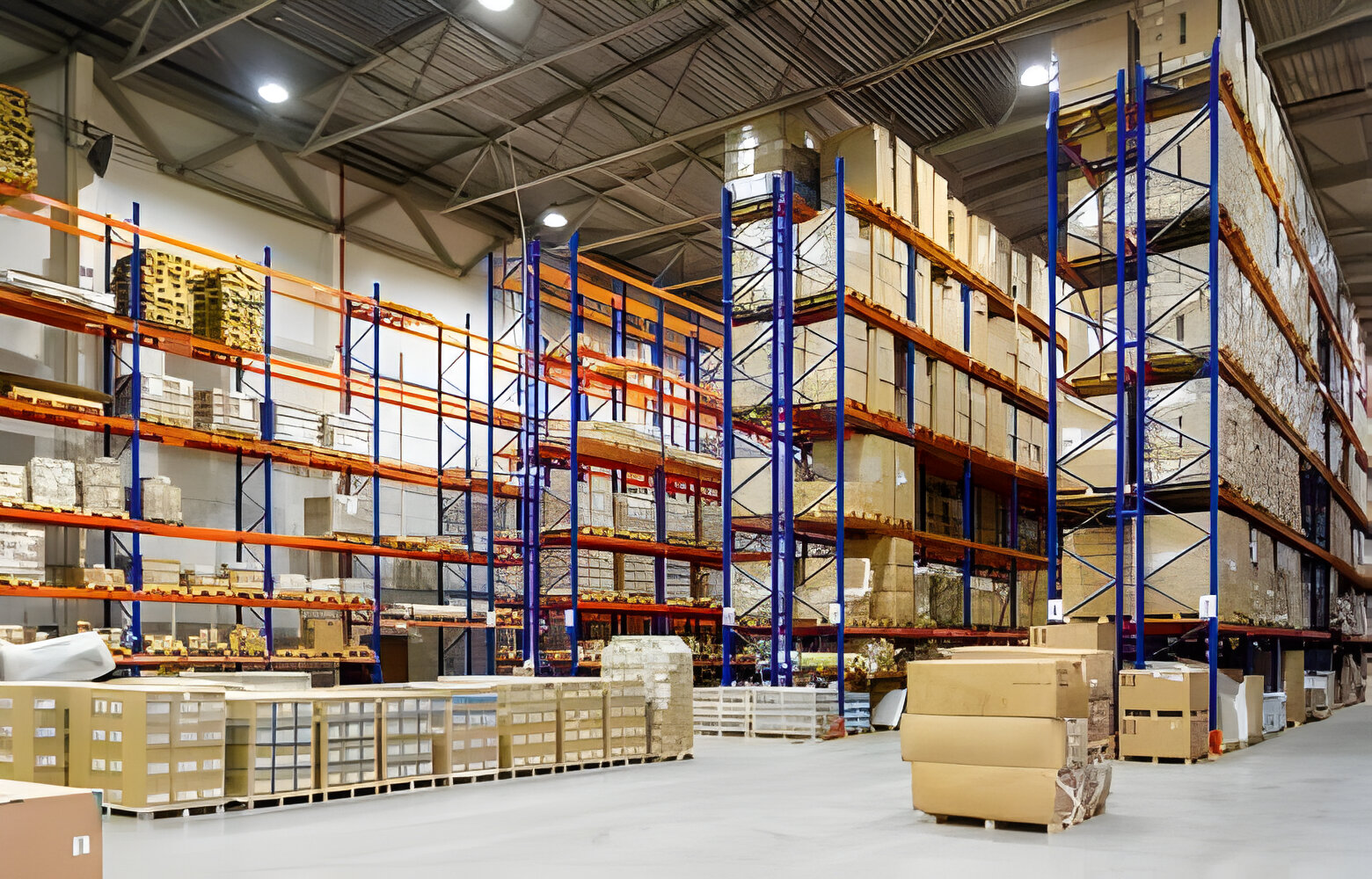
A quick overview into what makes warehouses and storage spaces a good investment In today’s business landscape, warehouses, and storage spaces play a crucial role in supporting the seamless operations of various industries. Let’s delve into the key aspects that make investing in warehouses and storage spaces a lucrative opportunity.   Definition of Warehouses and Storage Spaces   Warehouses are commercial buildings designed to store goods, materials, and inventory. On the other hand, storage spaces encompass a broader range of facilities, such as self-storage units, cold storage warehouses, and distribution centers.   Historical Context of Warehouses   Warehouses have existed for centuries, dating back to ancient civilizations where storage facilities were essential for trading. The Industrial Revolution further revolutionized warehouse design and operations, paving the way for modern logistics and supply chain management.   Importance of Warehouses in Business Operations   Warehouses serve as hubs for inventory management, order fulfillment, and distribution. They are pivotal in ensuring efficient supply chains, reducing lead times, and effectively meeting customer demands.   Factors Influencing Investment in Warehouses and Storage Spaces   Location and Accessibility   The location of a warehouse significantly impacts its accessibility to transportation networks, suppliers, and end consumers. Proximity to key markets and transportation hubs enhances the value of the property.   Size and Configuration of Warehouse Space   The size and layout of a warehouse dictate its usability for different types of businesses. Flexible configurations that can accommodate varying storage requirements increase the attractiveness of the investment.   Infrastructure and Technology   Modern warehouses incorporate advanced technologies like automation, IoT devices, and cloud-based inventory management systems. Investing in warehouses equipped with cutting-edge infrastructure can boost operational efficiency and tenant satisfaction.   Advantages of Investing in Warehouses and Storage Spaces   Potential for Rental Income   Warehouses offer steady rental income streams, especially in high-demand areas with limited supply. Leasing agreements with long-term tenants provide stability and a reliable source of cash flow.   Long-Term Appreciation of Property Value   Historically, warehouse properties have shown consistent appreciation in value over time. Factors like economic growth, population expansion, and infrastructure development contribute to the appreciation of warehouse assets.   Diversification of Investment Portfolio   Including warehouses and storage spaces in an investment portfolio can help diversify risk and increase overall resilience. Real estate investments like warehouses offer a hedge against market volatility and economic downturns.   Risks and Challenges in Warehouse Investments   Market Volatility and Economic Uncertainty   The real estate market, including warehouses, is susceptible to market conditions and economic uncertainties. Investors should conduct thorough market research and risk analysis to mitigate potential impacts.   Maintenance and Operational Costs   Owning and operating warehouses entail maintenance costs, repairs, and upkeep expenses. Budgeting for maintenance and implementing effective cost-management strategies are essential to preserve the value of the investment.   Regulatory and Compliance Issues   Warehouse investments are subject to regulatory requirements, zoning laws, and compliance standards. Staying informed about legal obligations and industry regulations is crucial to avoid penalties and legal disputes.   Strategies for Successful Warehouse Investment   Hiring Professional Property Managers   Engaging experienced property managers can streamline operational tasks, tenant relations, and property maintenance. Their expertise in managing warehouse assets can optimize performance and maximize returns.   Conducting Thorough Due Diligence   Conducting comprehensive due diligence is imperative before investing in a warehouse. Assessing market trends, financial projections, property conditions, and tenant profiles can help identify risks and opportunities.   Implementing Risk Mitigation Strategies   Developing risk mitigation strategies such as insurance coverage, contingency planning, and lease diversification can safeguard warehouse investments against unforeseen events and mitigate potential losses.   Conclusion   Recap of Key Points   Warehouses and storage spaces offer compelling investment opportunities driven by location, rental income potential, and long-term appreciation. Understanding the advantages, risks, and strategies for successful warehouse investments is essential for making informed decisions in the real estate market.   Future Outlook for Warehouse Investments   The evolving landscape of e-commerce, supply chain dynamics, and technological advancements are poised to shape the future of warehouse investments. Embracing innovation and adapting to changing market trends will be key to sustainable growth in this sector.   Final Thoughts and Recommendations   Investing in warehouses and storage spaces can provide stable returns, portfolio diversification, and long-term wealth accumulation. By aligning investment goals with market opportunities and implementing sound strategies, investors can capitalize on the growth potential of the real estate sector.

Industrial Real Estate: What Individual Investors Need to Know

Industrial Real Estate

Industrial Real Estate: What Individual Investors Need to Know Understanding Industrial Real Estate Investment   Industrial real estate is a unique sector within the broader real estate market that focuses on properties used for manufacturing, production, distribution, storage, and research. Individual investors need to consider several key factors when investing in industrial real estate.   What is Industrial Real Estate?   Industrial real estate encompasses various property types, including warehouses, distribution centers, manufacturing, and research facilities. These properties are essential to the function of numerous industries and play a critical role in the global supply chain.   Key Factors to Consider Before Investing   Location and Accessibility: The location of an industrial property is crucial, as proximity to transportation hubs, major highways, and population centers can significantly impact demand and property value.   Market Trends and Demand: Understanding market trends, such as e-commerce growth, supply chain shifts, and overall industrial sector performance, is vital for making informed investment decisions.   Property Type and Size: Different industrial property types have varying risk profiles and demand dynamics. Consider the size of the property in relation to market demand and tenant requirements.   Evaluating Investment Opportunities   Individual investors must carefully assess various factors affecting their investments’ performance and viability when evaluating industrial real estate investment opportunities.   Single-Tenant vs. Multi-Tenant Properties   Single-tenant properties offer stability through long-term leases, while multi-tenant properties provide diversification but may be subject to more lease turnover and tenant issues.   Lease Terms and Tenant Quality   Lease Length and Renewal Options: Longer lease terms provide stability, while renewal options allow flexibility in adapting to changing market conditions.   Tenant Financial Stability: Assessing tenants’ financial health is critical to ensuring consistent rental income and minimizing vacancy risks.   Property Management Considerations: Effective property management is essential for maintaining tenant relationships, addressing maintenance issues promptly, and maximizing property value.   Financing and Due Diligence   Financing options for industrial real estate investments vary, and individual investors should carefully evaluate their options to secure the best terms and rates.   Financing Options for Individual Investors   Traditional Banks vs. Private Lenders: Traditional banks offer competitive rates and terms, while private lenders may provide more flexibility but at higher costs.   Loan Terms and Interest Rates: Understand the impact of loan terms, such as maturity dates and interest rates, on cash flow and overall investment returns.   Conducting Due Diligence   Property Inspection and Appraisal: Conduct thorough property inspections and appraisals to assess the physical condition and value of the property. Legal and Environmental Considerations: Address legal issues like zoning regulations and environmental compliance to avoid potential liabilities. Investment Return Analysis: Evaluate potential returns by analyzing cash flow projections, exit strategies, and overall investment performance.   Securing and Managing Industrial Properties   Negotiating purchase agreements and implementing effective property management strategies are essential to securing and managing industrial real estate investments.   Negotiating Purchase Agreements   Price Negotiation and Contingencies: Negotiate the purchase price and include contingencies to protect your investment interests.   Closing Process and Title Transfer: Complete the closing process smoothly by ensuring all legal requirements are met and title transfer is executed accurately.   Property Management Strategies   Maintenance and Repairs: Regular maintenance and prompt repairs are essential for preserving property value and tenant satisfaction.   Tenant Relations and Lease Renewals: Maintain positive tenant relationships and renew leases promptly to minimize vacancy risks.   Monitoring Market and Industry Trends: Stay informed about market and industry trends to adapt your management strategies and position your property competitively.   Maximizing Returns and Exit Strategies   To maximize returns on industrial real estate investments, individual investors can explore value-add opportunities and consider strategic exit strategies.   Value-Add Opportunities   Renovations and Upgrades: Enhance property value through renovations, upgrades, and modernization to attract higher-quality tenants and increase rental income.   Lease Restructuring and Expansion: Restructure leases, expand tenant spaces, and negotiate favorable terms to increase rental income and property value.   Selling or Refinancing   Market Timing Considerations: Monitor market conditions and timing to determine the optimal moment for selling or refinancing your industrial property.   Capital Gains Tax Implications: Understand the tax consequences of selling an investment property to strategize exit plans and minimize tax liabilities.   Conclusion   Industrial real estate investment can offer significant opportunities for individual investors to build wealth and generate passive income. Investors can maximize returns and succeed in this competitive sector by thoroughly understanding the market, conducting due diligence, and implementing effective management practices. Stay informed, stay adaptive, and continue learning to thrive in the dynamic world of industrial real estate.